


Why You Should Stop Keeping Your Milk in the Fridge Door

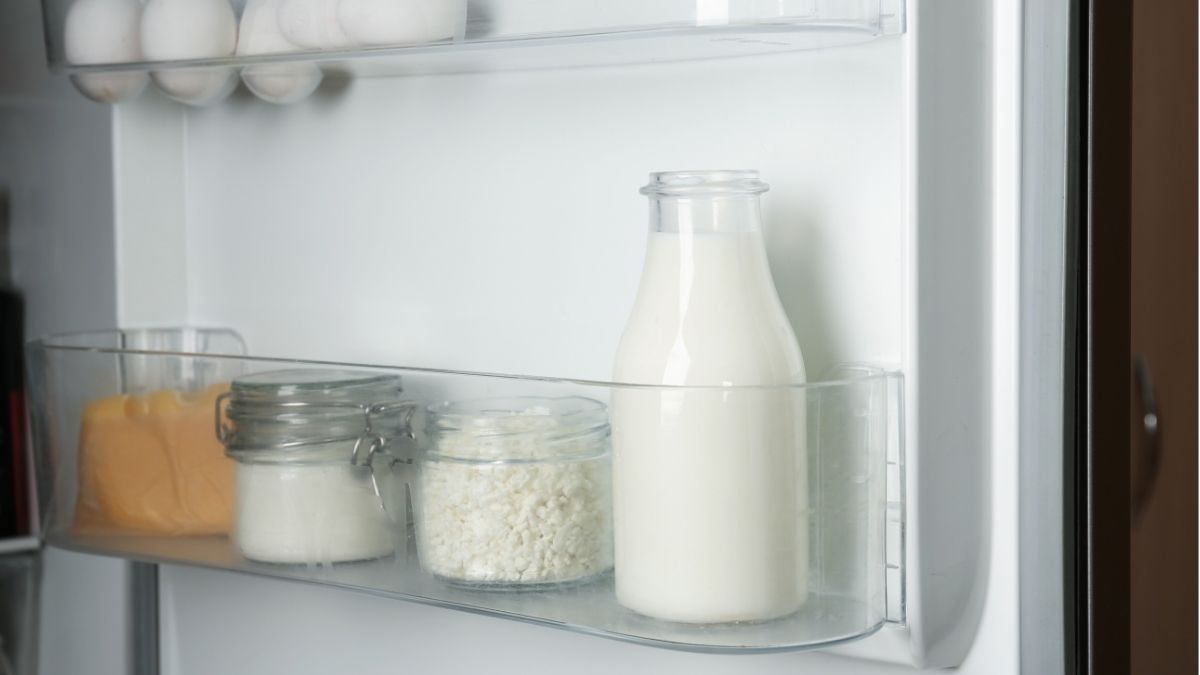

Most of us come home from the grocery store and instinctively slide that gallon of milk right into the fridge door. It seems like the perfect spot because it is easy to reach and fits those bulky containers perfectly. However, this common kitchen habit might be the reason your milk is spoiling faster than it should. Understanding how your refrigerator actually works can save you money and prevent a sour surprise in your morning cereal.
The Door is the Warmest Zone
The door of your refrigerator is the most convenient spot, but it is also the most temperature-unstable area in the entire appliance. Every time you open the door to grab a snack or check for leftovers, the items stored there are hit with a blast of warm air from your kitchen.
Because milk is highly sensitive to heat, these constant “warm-ups” can cause it to turn sour long before the expiration date printed on the carton.
How Temperature Fluctuations Affect Freshness
Milk needs to stay at a consistent temperature of around 37°F (3°C) to remain safe and tasty. When the temperature rises and falls throughout the day, it creates a playground for bacteria.
Even a small increase in temperature for a few minutes can kickstart the spoiling process. If you notice your milk has a slight “off” smell even though the date says it should be fine, your fridge door is likely the culprit.
Finding the Coldest Spot in the House
If you want your dairy to last as long as possible, you need to move it to the back of the middle or bottom shelf. This area is tucked away from the door and stays the coldest because it is closer to the cooling vents. Heat naturally rises, so the bottom shelves are usually the most reliable for items that spoil easily.
Storing your milk here ensures it stays at a steady, icy temperature from the moment you buy it until the last drop is gone.
What Should Actually Go in the Door?
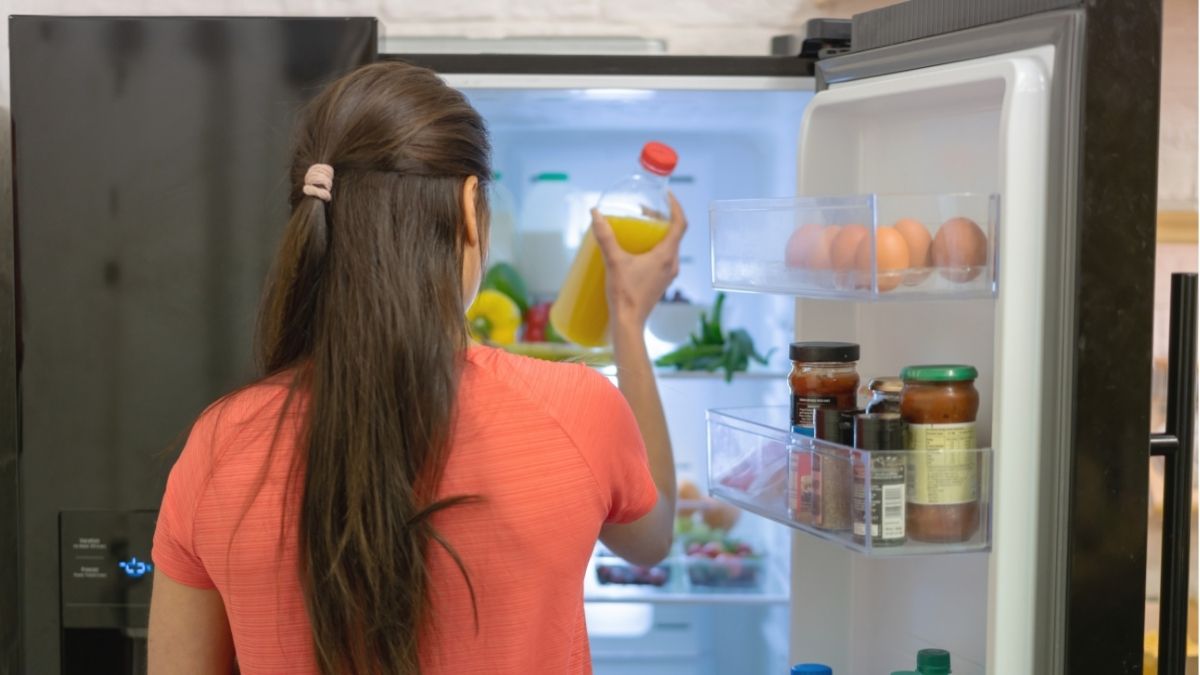
You don’t have to leave those door shelves empty. The door is the perfect home for items that contain natural preservatives or have a high salt and sugar content. These products can handle the temperature swings without any issues.
- Condiments: Ketchup, mustard, and mayo.
- Pickled items: Olives and pickles.
- Bottled drinks: Soda, water, and shelf-stable juices.
- Butter: Most butter compartments are slightly warmer to keep the butter spreadable.
Pro Tip for Better Organization
When you move your milk to the back of the shelf, try to keep it away from strong-smelling foods like cut onions or garlicky leftovers. Milk is surprisingly good at absorbing odors through its packaging. Keeping it in the coldest part of the fridge and away from the “stinky” stuff will ensure your morning latte always tastes exactly like it should.
