


The Hidden Work Behind Every Spoon of Honey: Winter Care for Bees

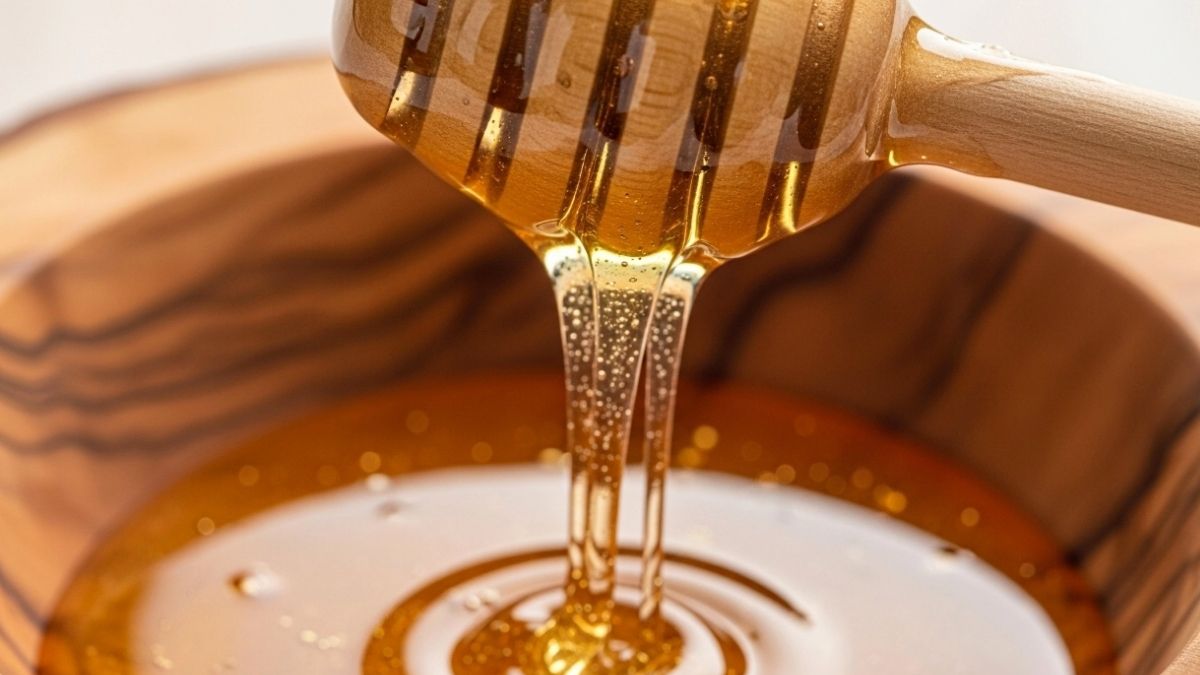

When we spread honey on our toast or add honey to our tea, we don’t think about the years of hard work that went into making that honey. Every golden spoonful of honey represents months of hard work by bees and beekeepers, who do their best to keep bee colonies alive through the winter. Cold weather is the toughest time of year for bees, and that’s why honey will be abundant in the spring of each year.
Why winter is the most challenging season for bees.
Although many insects hibernate during the winter months, bees remain active in their hives and huddle together to maintain warmth. They use the vibrations of their wings to generate the necessary heat, which means they require a lot of energy.
How do bees generate heat naturally?
When bees generate heat in their hives, they rotate the positions of the bees within the hive to keep everyone warm. Bees on the outside will try to move to the center of the hive, while those in the middle will move to the outside. This kind of teamwork helps the entire colony survive when the outside temperature is extremely cold.
The Importance of Stored Food
When the weather becomes very cold, bees cannot store nectar or pollen; Therefore, they must rely on their stored honey until spring. If the stored honey runs out or the hive becomes cold, it can kill or weaken the colony. That is why preparing for the winter season is important.
The Role of Beekeepers in Cold Weather
Beekeeping is often thought of as a spring/summer activity; however, depending on the weather, the winter months are actually crucial for a responsible beekeeper! During this time, beekeepers will be busy inspecting hive spaces, sealing unnecessary spaces to reduce drafts, and ensuring their colonies have enough food for the winter.
Professional beekeepers often use insulation on their hives, which helps maintain a stable hive temperature, reduces moisture buildup within the colony, and protects them from shock caused by sudden temperature drops during the cold months. Many experienced beekeepers will find reliable winter bee hive wraps for sale, as this provides another layer of protection for their hives during the winter season.
Benefits of Insulating Your Hive
A well-insulated hive:
- Less honey is used to heat the hive
- Less disturbance to the bees
- Maintains a consistent hive temperature
- Increases the bees’ chances of survival during the winter months.
How Winter Care is Important for Honey Quality
You might be wondering how winter survival affects the honey you consume months later. The connection is stronger than you might think.
If bees stay healthy during the winter, their colonies will be stronger in the spring. Strong colonies collect more nectar, pollinate more plants, and produce better-quality, tastier honey. Weak colonies that are barely surviving will have a weaker start to spring, resulting in less honey.
Beekeepers can quickly determine if winter care was successful. Strong colonies:
- Grow faster
- Produce more offspring
- Collect nectar faster
- Build stronger honeycombs
These factors directly affect the taste, color, and aroma of honey.
Scientific Aspects of Hive Warming
Bees have a natural ability to maintain their hives at a normal temperature, but extreme weather can be too much for them. Air chill, humidity levels, and rapid temperature drops are all factors that impact bees’ ability to keep their hives warm through their metabolic processes. Humidity is the most challenging factor for bees, as they lose body heat more quickly when exposed to humid air than when exposed to cold air.
You can think of hive insulation as wearing a winter jacket; it won’t generate any heat on its own; rather, it retains it.
Why is this important for honey lovers?
If you enjoy using honey in baking, cooking, or naturally sweetening your drinks, learning about the honey-making process will give you a better understanding of this wonderful food product. That jar of honey in your cupboard isn’t just flower nectar; it also involves all the human effort and energy that goes into raising bees, as well as careful planning and protection during the winter months.
A responsible and professional beekeeper knows that the strength of their winter bee colony is crucial to producing high-quality honey. If the bees aren’t properly cared for during the winter months, they won’t have enough honey-producing bees, resulting in less honey for everyone!
Final Thought
The next time you enjoy honey, think about how the bees secretly made it for you over the winter and how the beekeepers helped them survive. The result of this partnership will be that when spring arrives, the hives will be healthy and produce high-quality honey to share with everyone.
