


9 Tiny Fitness Habits That Become More Important After 40

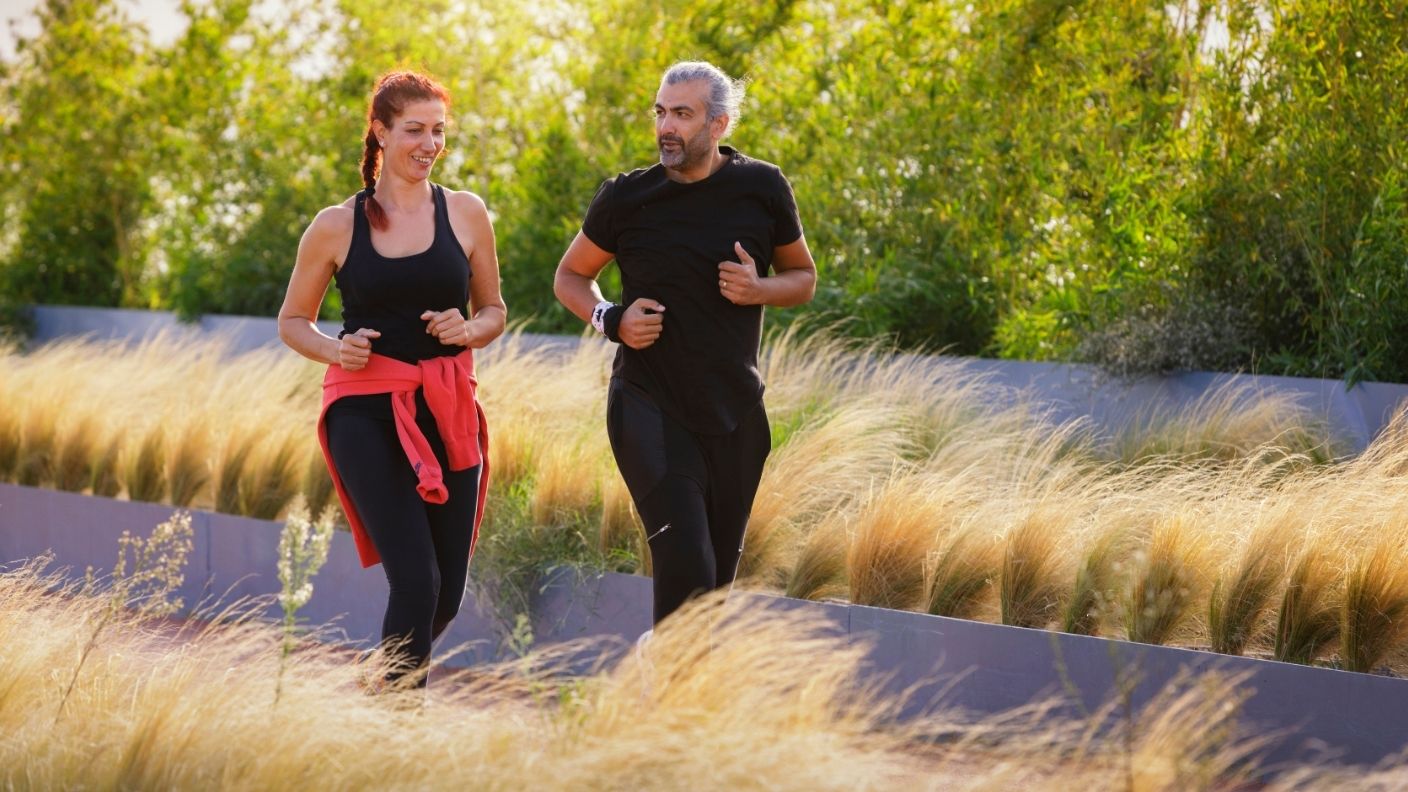

Nothing about turning 40 changes overnight, but the body’s tolerance for being treated the way it was at 25 quietly starts to shrink. The habits that matter most from here on tend to be small and unglamorous, less about intensity and more about consistency in a handful of specific areas.
Prioritizing Strength Training
Muscle mass and strength typically peak around age 35 and decline gradually from there, according to the National Institute on Aging, which makes resistance work more important with each passing year rather than less.
Orthopedic surgeon Dr. Phillip Williams has said that strength training should be the key exercise for anyone over 40, more so than cardio alone.
Even a couple of sessions a week, combined with moderate aerobic activity, can deliver similar benefits to a more demanding routine. The habit doesn’t need to be intense to matter, it just needs to happen regularly enough to counter the natural decline underway.
Practicing Balance Daily
Balance tends to erode quietly with age, since the neuromuscular connections that keep the body upright slowly decline without much warning.
Mobility specialist Dr. Vonda Wright notes that these nerve pathways can be entirely reclaimed through specific, regular attention, which is why simple balance work matters more after 40 than it did before.
Something as basic as standing on one leg for a minute while brushing your teeth counts as real practice. It’s a habit that costs nothing and takes almost no extra time, which is part of why it’s so easy to skip and so valuable to keep.
Holding Isometric Positions
Tendons naturally become less elastic with age, taking longer to adapt to exercise and becoming more prone to injury as a result.
Physical therapist Andrew Gorecki has explained that isometric exercises, holding a position under load without moving, can act as a gentle wake-up call for aging tendons by gradually loading them without high-impact stress.
A wall sit, a calf raise held for a count of ten, or a paused squat all qualify. These small additions to an existing routine build resilience in a way that pure movement-based exercise doesn’t cover on its own.
Stretching Every Day, Not Occasionally
As tendons and muscles tighten with age, the risk of injuries like tendinitis rises, according to orthopedic specialists who work with active adults.
Dr. Wright compares stiff connective tissue to a dried-out rubber band, prone to snapping under a hard tug rather than stretching with it, which is why daily stretching matters more than an occasional long session.
A few minutes spent stretching major muscle groups each day keeps tissue pliable in a way that weekly stretching sessions can’t replicate. It’s a low-effort habit that directly reduces the odds of the kind of strain that sidelines a routine entirely.
Walking With Intention
Getting into fitness later in life doesn’t require an elaborate plan. Experts frequently recommend starting with a 30-minute daily walk as a foundational habit, one that’s accessible regardless of current fitness level and sturdy enough to build on over time.
Walking also supports joint health and cardiovascular function without adding the strain that higher-impact exercise can carry after 40. It’s an unglamorous habit, but one of the few that’s genuinely appropriate at any starting fitness level.
Doing Compound Movements Over Isolation Exercises
Squats and deadlifts, which activate multiple large muscle groups at once, tend to deliver more return per session than isolated exercises focused on a single muscle.
Physician Ryan Greene has pointed to these compound movement patterns as his go-to recommendation for building and maintaining muscle mass efficiently after 40.
They’re also tied to better hormone balance, including improved insulin sensitivity and reduced cortisol, benefits that isolated exercises don’t provide to the same degree. Prioritizing a few compound movements over a longer list of smaller exercises tends to be a more efficient use of limited workout time.
Varying Workout Intensity Intentionally
Going hard every single day stops being sustainable the way it might have felt possible in your 20s.
Trainers recommend deliberately varying intensity, pushing harder on some days and easing off on others, since the body can no longer recover as quickly from repeated high-intensity efforts.
That variation isn’t a sign of weakness, it’s a functional adjustment that actually supports more consistent training over the long run. Ignoring it tends to lead to burnout or injury faster than it did a decade earlier.
Monitoring Recovery, Not Just Workouts
Tracking sleep and recovery has become as relevant as tracking the workout itself. Dr. Williams has emphasized that people are their own best monitor for their body’s cues, treating exercise as a proportionate strain that needs matching recovery time rather than an unlimited daily demand.
That might mean a wearable device, or it might just mean paying closer attention to how the body actually feels the next day. Either way, ignoring recovery signals becomes a more expensive mistake after 40 than it was in earlier decades.
Staying Consistent With Hydration and Diet
None of the physical habits above work in isolation from basic nutrition and hydration, which trainers describe as the constants that should never lapse regardless of which specific workout plan is in use. That baseline matters more than any single exercise choice.
Keeping this habit steady, rather than treating it as optional on lighter workout days, supports every other habit on this list. It’s the least exciting item here, but arguably the one holding all the others together.
RELATED ARTICLE: Jamie Lee Curtis Says She Feels Better at 67 Than She Did at 47 and It Starts With One Surprisingly Simple Habit
