


9 Foods That Look Ordinary but Are Surprisingly Good for Your Immune System


The foods with the loudest health reputations are rarely the ones sitting in the bottom of the refrigerator. Elderberry shots and exotic powders get the headlines, while plainer options quietly supply the same vitamins and minerals.
None of these foods can guarantee you’ll skip a cold. What they can do is supply nutrients that immune cells rely on, at a fraction of the cost of a supplement aisle.
Eggs
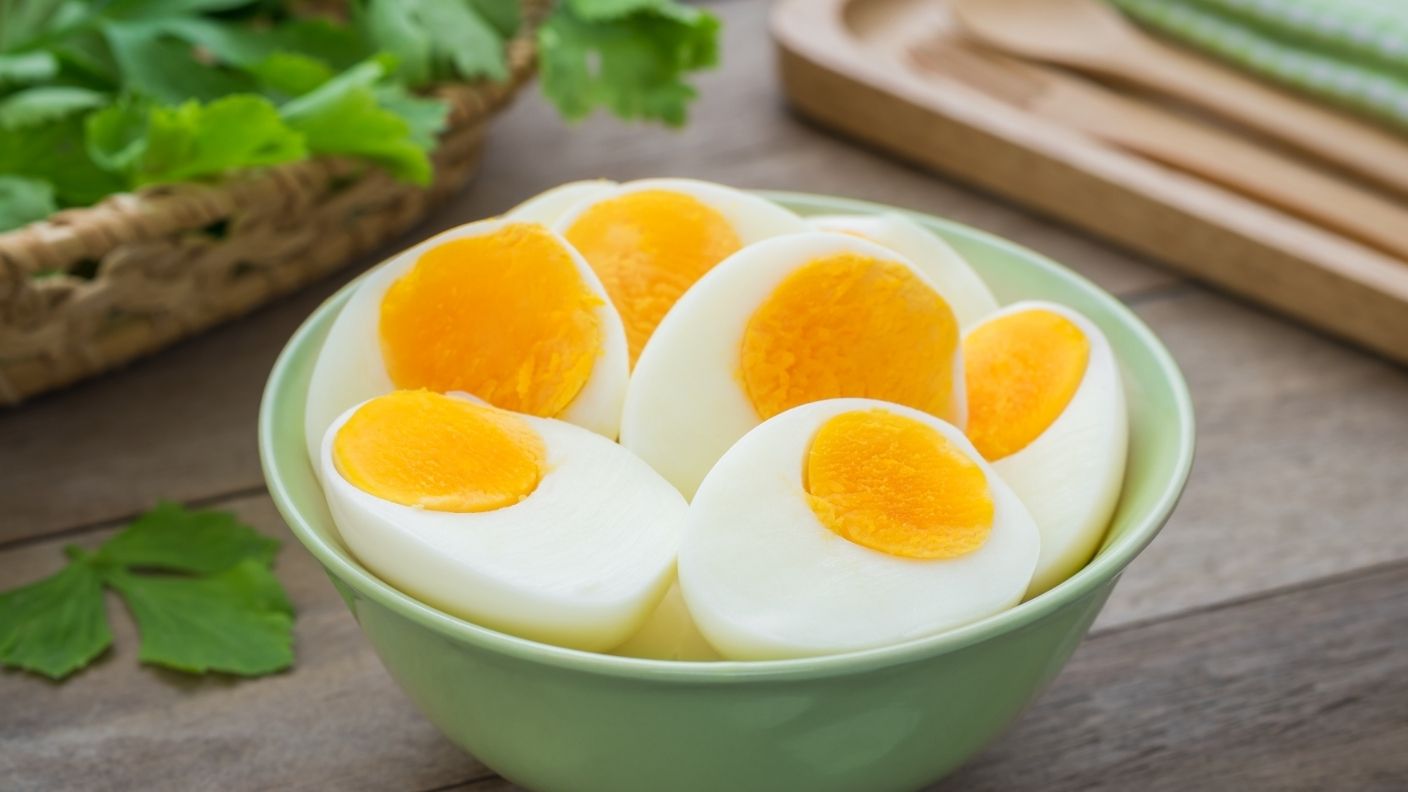
Eggs are one of the few foods that naturally contain vitamin D, which immune cells have receptors for. They also supply protein, needed to build antibodies and the cells that defend the body.
Most of the vitamin D sits in the yolk.
A vegetable omelet adds more nutrients on top. Dietitians often point to this kind of simple breakfast as a practical way to cover several immune-related vitamins at once.
Carrots
Carrots are full of beta-carotene, which the body converts into vitamin A. Vitamin A supports the lining of the nose, throat, and gut, and it plays a role in antibody production.
That makes a humble carrot more useful than it looks.
They keep for weeks in the refrigerator and work raw, roasted, or shredded into soups. Cooking them with a little oil can help the body absorb the beta-carotene.
Broccoli
Broccoli provides both vitamin C and vitamin E, two antioxidants that help protect immune cells from damage. It also offers fiber and a range of plant compounds.
A stir-fry with broccoli, bell peppers, and olive oil covers several needs in one pan.
To keep nutrients intact, steam or roast it lightly instead of boiling it for a long time. Frozen broccoli is a convenient alternative and works well in soups and pasta.
Sunflower Seeds
Sunflower seeds are among the richest food sources of vitamin E. That antioxidant helps protect cell membranes, including those of immune cells.
A small handful goes a long way.
Sprinkle them on salads, yogurt, or oatmeal, or stir them into a trail mix. Choosing unsalted or lightly salted seeds keeps the sodium in check.
Lentils
Lentils offer plant protein, fiber, and a useful amount of zinc, a mineral the immune system depends on. They cook in about 20 minutes with no soaking, which makes them one of the easiest legumes.
They also keep for a long time in the pantry.
Add them to soup, simmer them with tomatoes and spices, or toss cooked lentils into a salad. Because zinc from plants is absorbed less efficiently, pairing lentils with other zinc sources helps.
Kefir
Kefir is a fermented milk drink with live bacteria that support the gut microbiome, which in turn influences immune function. In some trials, fermented milk with live cultures did not reduce infections but was linked to faster recovery.
The research is promising, though the best strains are not yet settled.
Choose plain, unsweetened versions and blend them into smoothies or pour them over fruit. Yogurt with live cultures, tempeh, and other fermented foods offer similar benefits.
Tomatoes
Tomatoes contribute vitamin C and a mix of plant compounds, including lycopene. They’re such a common ingredient that their nutritional value is often overlooked.
A salad with tomatoes, oranges, and sunflower seeds delivers vitamins C and E together.
Canned tomatoes and tomato paste are just as useful, since cooking increases how much lycopene the body can use. A tomato-based soup is an easy winter staple.
Canned Tuna
Fatty and oily fish are among the better dietary sources of vitamin D, and canned tuna is the most affordable of them. Immune cells use vitamin D, and many people fall short, especially in darker months.
Canned light tuna is a good everyday choice.
Salmon and mackerel are higher in vitamin D and omega-3 fats. Because tuna can contain mercury, it’s wise to vary the fish you eat across the week.
Almonds
Almonds are another source of vitamin E, along with healthy fats, protein, and a bit of zinc. A small handful makes a filling snack that supports steady energy.
Eating nuts as part of a varied diet is a safe way to obtain vitamin E.
Supplements are a different story, since high-dose vitamin E has been linked to bleeding and stroke risks. Getting the vitamin from food avoids that concern.
What the Evidence Really Says
Researchers are cautious here. Studies of supplements for vitamin D, zinc, and other immune nutrients have mostly been disappointing, and eating a balanced diet is considered the safest approach.
No single food prevents illness.
The takeaway is to build meals around a mix of vegetables, legumes, nuts, fish, and fermented foods, along with sleep and movement. Anyone who suspects a deficiency should ask a doctor about testing before taking supplements.
RELATED ARTICLE: 7 Foods Nutritionists Want You to Eat More of as the Weather Gets Colder
