


9 Foods Doctors Wish People Would Stop Eating


Doctors spend a lot of time explaining what to add to a plate, but the list of what to remove tends to get less attention despite mattering just as much. Cardiologists, dietitians and surgeons keep circling back to the same handful of everyday foods when asked what they genuinely wish people would stop eating.
None of these foods require complete elimination to make a real difference. Cardiologist Francisco Lopez-Jimenez of Mayo Clinic recommends eating nutrient dense foods roughly 75 percent of the time, leaving real room for everything else in moderation.
The list itself is fairly consistent across different specialties and different doctors. Here are nine foods physicians keep saying they wish people would eat far less of.
Soda
Sugary soda remains one of the most consistently flagged drinks in medicine, linked by the CDC to obesity, type 2 diabetes, heart disease, cavities and gout. It rarely takes more than one can a day to add up to a meaningful amount of added sugar over time.
Frozen Coffee Drinks
A large frozen coffee drink can carry as much as 80 grams of sugar, according to cardiologist Francisco Lopez-Jimenez of Mayo Clinic, roughly the equivalent of 20 teaspoons in a single cup, per AOL. That sugar load often goes unnoticed since the drink gets treated more like a coffee order than a dessert.
Sports Drinks
Sports drinks make sense for extreme or professional level athletes, but most everyday gym goers do not actually need them. Family physician Mark Cucuzzella has warned that their high fructose content can contribute to fatty liver over time when consumed regularly without the activity level to match, according to The Hearty Soul.
Fruit Juice
Fruit juice strips away the fiber found in whole fruit, leaving behind mostly sugar water. Some physicians go as far as comparing a glass of juice to drinking a can of soda in terms of its effect on blood sugar.
Bacon
“I think bacon is probably one of the worst foods on the planet,” cardiovascular surgeon Omid Javadi told The Daily Meal. He pointed to its high fat and cholesterol content paired with minimal nutritional value as the main reason.
Granola
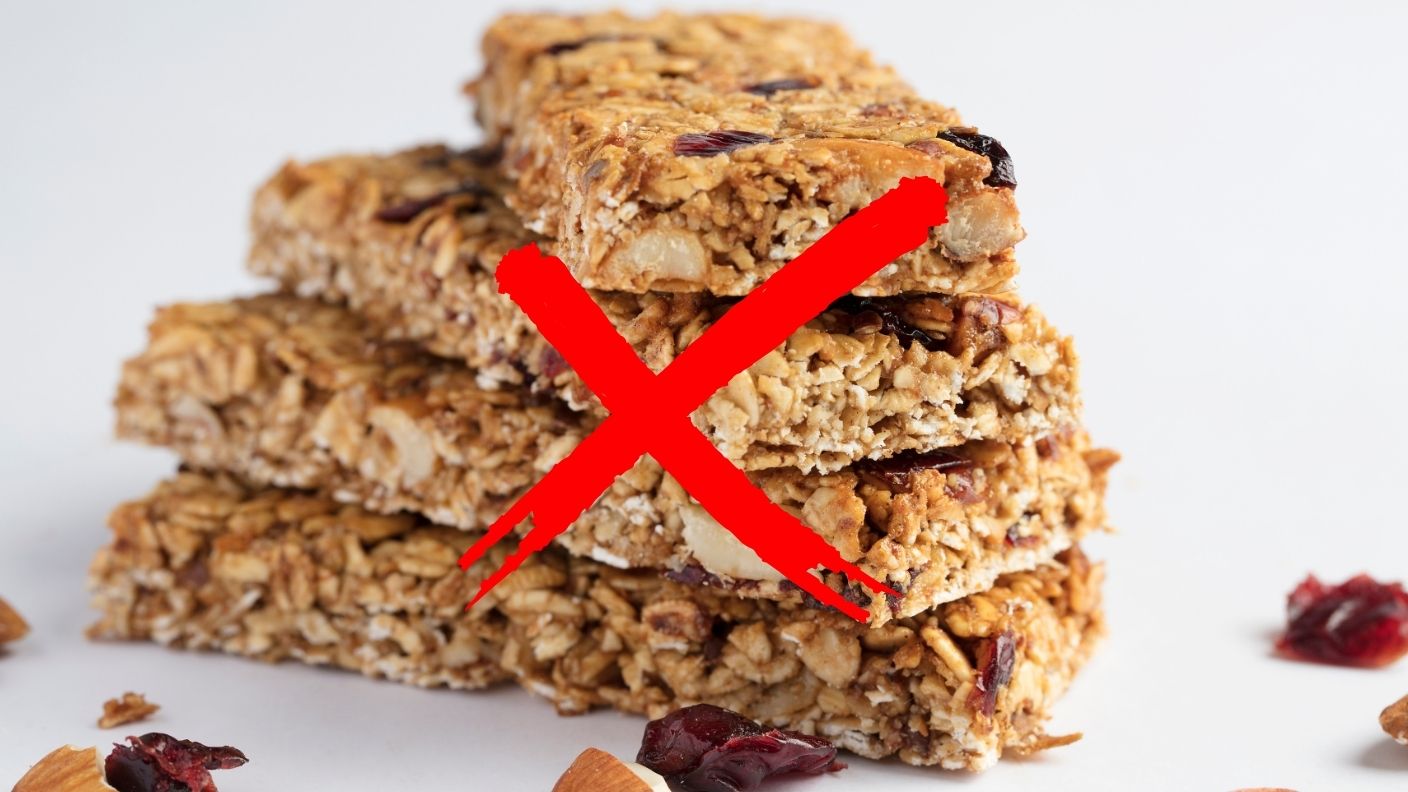
Granola carries a health halo that does not always hold up under scrutiny. Much of it is loaded with added sugar, particularly fructose, which can disrupt the hormones that regulate hunger and appetite.
Flavored Yogurt
Flavored yogurt frequently contains more sugar per serving than an actual candy bar, according to a breakdown from Chef Standards, despite its reputation as a light, healthy snack. Swapping to plain yogurt topped with fresh fruit delivers the same protein and probiotics without the hidden sugar load.
Fried Foods
Frying food can convert otherwise healthy oils into trans fats, the kind most closely linked to heart disease risk. Trans fats also show up in partially hydrogenated form in bakery items and microwave popcorn, often without much warning on the label.
Deli Meat
Deli meat is typically high in sodium and preservatives, both linked to increased cardiovascular risk when eaten regularly. Registered dietitians who study this specifically say swapping in freshly cooked, unprocessed meat makes a meaningful difference over time.
None of these nine foods need to disappear entirely from a normal diet to make a real difference. Cutting back gradually, rather than eliminating everything at once, is generally the approach doctors say actually sticks.
RELATED ARTICLE: The One Ingredient Doctors Say Most Women Need More Of
