


8 Old Household Tricks That Still Make Sense in Modern Homes


Every generation seems to have a list of household tips passed down from parents and grandparents. A box of baking soda in the fridge, a slice of bread on the kitchen floor, a jar of vinegar under the sink — they can look a little old-fashioned next to today’s specialty sprays and gadgets.
Some of those habits have faded away for good reason. Others still hold up surprisingly well, offering simple, inexpensive solutions that work just as well in a modern home as they did decades ago.
Baking Soda in the Refrigerator
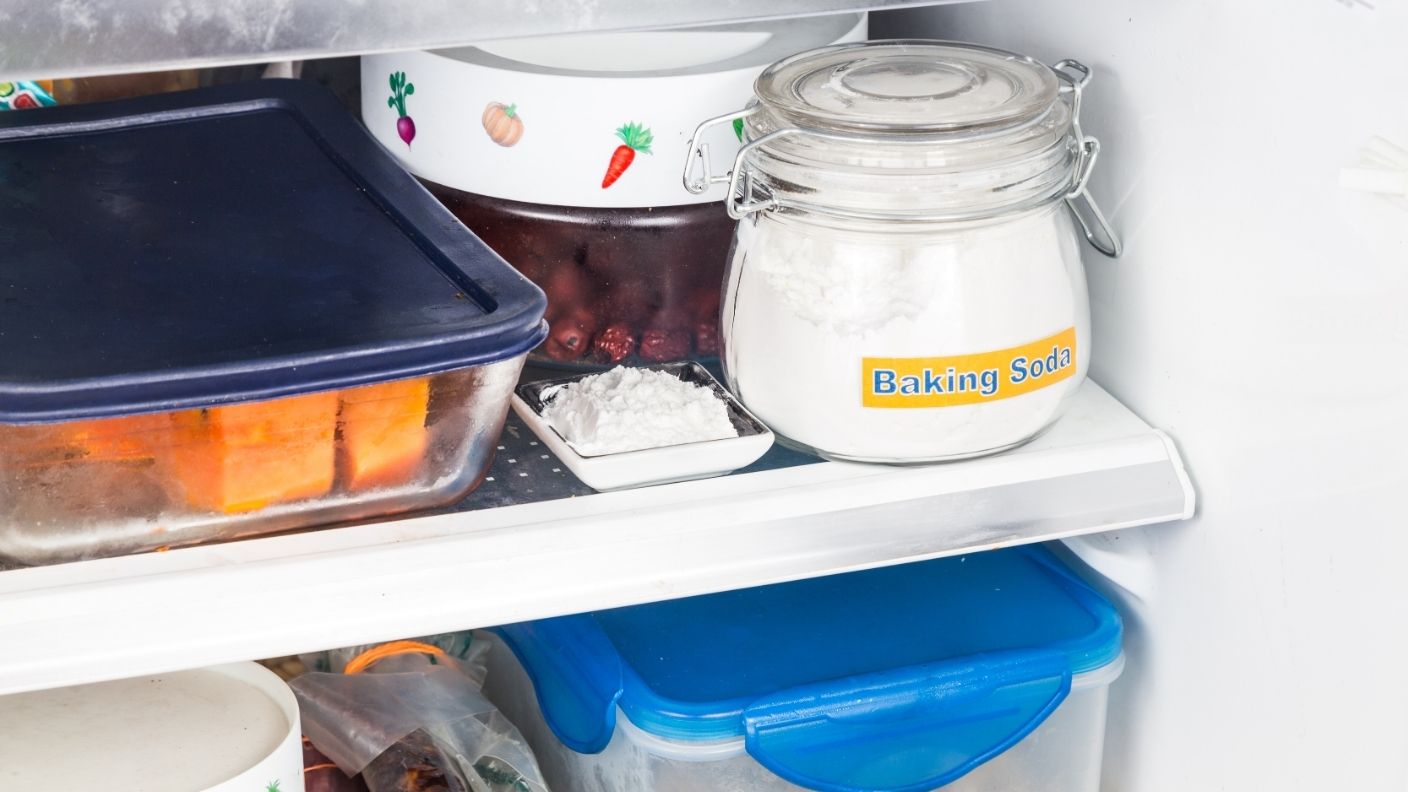
An open box of baking soda tucked in the back of the fridge is one of the most familiar household habits. Baking soda can help neutralize certain odors, especially acidic ones.
It won’t fix the smell of spoiled food, so cleaning out old leftovers still matters most. Replacing the box every few months keeps it working, and the old one can be used to scrub sinks or drains.
Vinegar for Mineral Buildup
White vinegar has long been a go-to cleaner for hard water stains. Its natural acidity helps dissolve mineral deposits on faucets, showerheads, kettles, and coffee makers.
Soaking a showerhead in a bag of vinegar or running a vinegar-and-water cycle through a coffee maker can restore flow and remove buildup. Avoid using vinegar on natural stone like granite or marble, since it can damage the surface.
Lemon and Salt for Cutting Boards
Scrubbing a wooden cutting board with half a lemon and a sprinkle of coarse salt is an old trick that still works nicely. The salt acts as a gentle abrasive, while the lemon helps lift stains and freshen odors.
Rinse the board afterward and let it dry completely. Regularly oiling wooden boards with food-safe mineral oil helps keep them from drying out and cracking.
Sunlight for Brightening Whites
Before modern laundry boosters, people hung white clothes and linens in the sun to keep them bright. Sunlight can help fade certain stains and naturally brighten fabrics.
Line drying also saves energy and can be gentler on clothes than a hot dryer. Just keep colorful items out of strong sunlight for long periods, since they can fade.
Rice in the Salt Shaker
Adding a few grains of uncooked rice to a salt shaker is a classic way to keep salt flowing freely. The rice absorbs moisture that would otherwise make the salt clump.
This trick is especially handy in humid climates or in kitchens near a steamy stove. It’s simple, inexpensive, and still widely used today.
Cedar for Protecting Clothes
Cedar blocks and hangers have long been used in closets and drawers to help protect wool and other natural fibers. Cedar’s natural scent may help deter some clothing moths.
Over time, the scent fades, so lightly sanding the wood refreshes it. Keeping clothes clean before storing them is also important, since moths are drawn to food residue and sweat.
Bread for Picking Up Broken Glass
When a glass shatters, tiny slivers can be hard to see and sweep up. Pressing a soft slice of bread over the area can help pick up small shards that a broom misses.
Damp paper towels work in a similar way. Wear shoes, sweep up larger pieces first, and dispose of everything carefully.
Cornstarch for Grease Stains
A splash of oil or butter on clothing can leave a stubborn mark. Sprinkling cornstarch over a fresh grease stain helps absorb the oil before washing.
Let it sit for at least 15 minutes, brush it off, then treat the spot with dish soap before laundering. This works especially well on cotton and other washable fabrics.
A Note on Safety
While many old cleaning tricks are safe, it’s important not to mix products. Vinegar and other acids should never be combined with bleach, since the mixture can release harmful fumes.
Testing any cleaning method on a small, hidden area first helps prevent damage. When in doubt, check care labels and manufacturer instructions.
RELATED ARTICLE: The Kitchen Mistakes That Could Be Ruining Your Favorite Foods
