


8 Lunchbox Mistakes Parents Make Without Realizing It

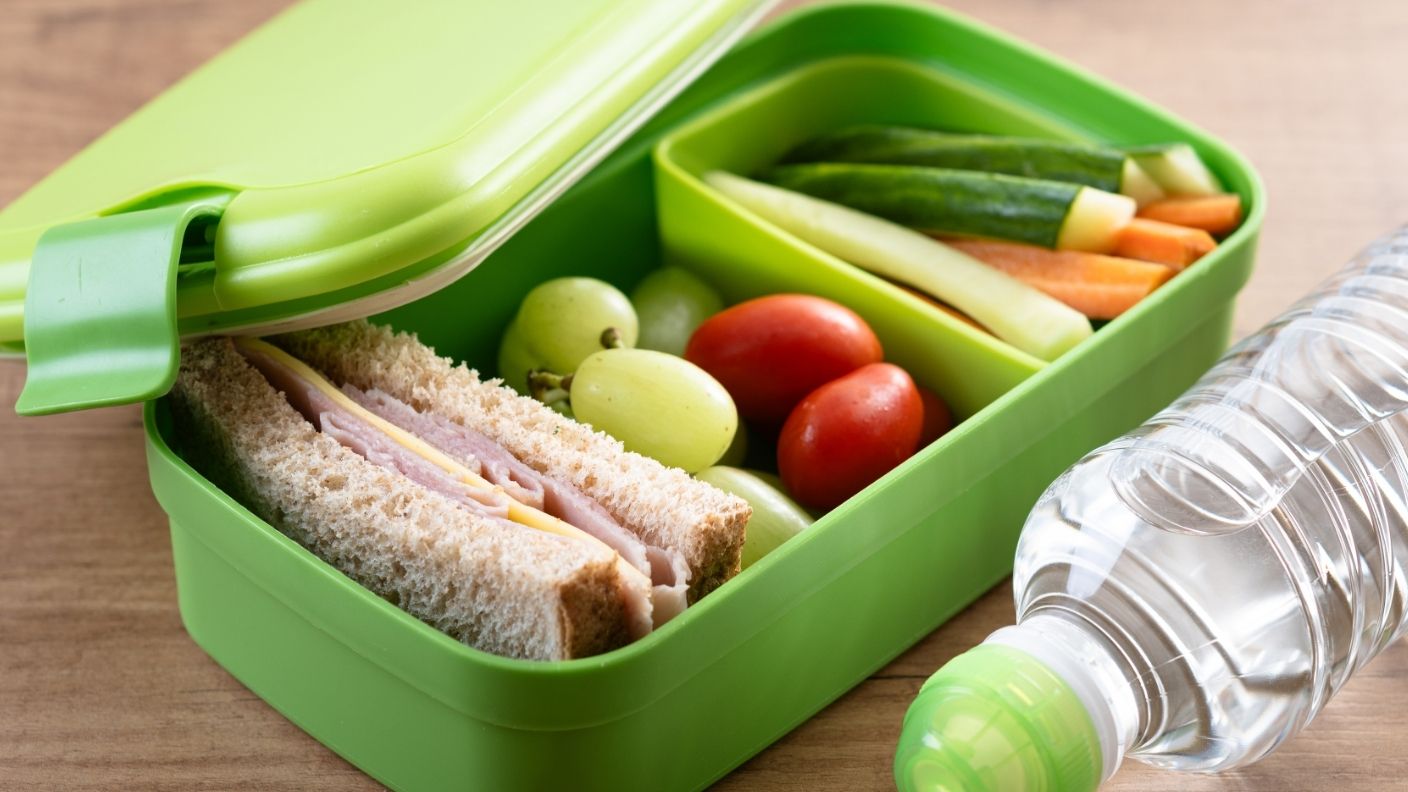

Packing a lunch feels like one of the simpler parts of the school routine, right up until the container comes home barely touched. More often than not, the problem isn’t the food itself, but something small in how it was packed.
A few of these slip-ups are so common that most parents don’t even realize they’re doing them. Here’s what tends to go wrong, and why it matters more than it seems.
Skipping a Second Ice Pack
A single ice pack tends to keep the top of a lunch cold while everything underneath slowly warms up. That gap in temperature control matters more than most parents assume, since perishable food sitting between 40 and 140 degrees Fahrenheit falls into what food safety experts call the danger zone, where bacteria can multiply fast.
One study of packed lunches found that the vast majority of perishable items had already crept into unsafe territory by the time lunch actually rolled around. Placing one cold source above the food and another below it is a small change that makes a real difference by midday.
Packing the Exact Same Lunch Every Day
Consistency sounds like a good thing until a kid opens the same turkey sandwich for the fortieth day in a row and decides it’s easier to trade it away. Boredom is one of the quieter reasons food comes back untouched, even when the lunch itself is perfectly healthy.
Rotating just two or three components, like swapping the protein or changing up the fruit, is usually enough to keep things from feeling repetitive. It doesn’t require a whole new menu, just enough variety that lunch doesn’t feel like reruns.
Leaving Kids Out of the Packing Process
A lunch chosen entirely by a parent doesn’t always match what a kid actually wants to eat that day. Even small mismatches in preference can be enough for food to sit untouched in favor of whatever a friend is willing to trade.
Letting kids pick between two or three approved options gives them some ownership without turning it into an unlimited buffet. Kids tend to eat food they had a hand in choosing, even if the choice was as small as picking the fruit.
Overloading the Container
More food doesn’t necessarily mean a more satisfied kid at the end of the day. An overstuffed lunchbox can actually be more overwhelming than appealing, especially for younger kids who don’t have much time to eat before recess.
Smaller portions across a few different foods tend to get finished more often than one enormous entrée. What comes back untouched is usually a sign of quantity, not necessarily a picky eater.
Choosing Containers Kids Can’t Open Alone
A beautifully packed lunch doesn’t do much good if a child can’t actually get into it without help. Tight-sealing containers or complicated latches might keep food fresher, but they can also mean a kid gives up halfway through lunch and eats almost nothing.
Testing containers at home before the first day of school avoids this problem entirely. If a five-year-old can’t open it solo in under ten seconds, it’s probably not the right container for a lunchbox.
Leaving Out Any Real Protein
A lunch built mostly around crackers, fruit snacks, and a juice box might look full, but it often leaves kids hungry again within an hour. Without protein or another source of lasting energy, blood sugar tends to spike and crash right in the middle of the school day.
Cheese, deli meat, yogurt, or a handful of nuts (where allowed) can anchor a lunch enough to keep a kid full until the final bell. It doesn’t need to be a large portion, just something more substantial than sugar alone.
Overlooking the School’s Allergy Rules
Many classrooms have specific restrictions around nuts or other common allergens, and it’s easy to forget these when packing from home. Sending a lunch that violates those rules can mean it gets sent back entirely, leaving a kid without a meal for the day.
Checking with the teacher or school at the start of the year avoids this problem before it becomes one. It also protects classmates with allergies from accidental cross-contact during shared activities like snack time.
Packing Food That Doesn’t Survive the Morning
Some foods just don’t hold up between the time they’re packed and the moment they’re actually eaten. A sandwich with too much sauce turns soggy, and delicate fruit like berries can bruise into mush by lunchtime.
Packing sauces and dressings separately, and choosing sturdier produce like apple slices or grapes, solves most of this before it starts. A lunch that still looks appetizing several hours later is far more likely to actually get eaten.
RELATED ARTICLE: The One Ingredient Grandparents Added to Vegetables That Kids Actually Loved
