


8 Foods That May Help Your Skin Look Smoother and More Radiant


A lot of skincare advice stops at the bathroom shelf, treating serums and cleansers as the whole story. What actually gets eaten across a normal week plays a much bigger role in how skin looks than most routines give it credit for.
A handful of specific foods carry real, research-backed influence over texture and radiance, well before any product gets involved.
Almonds
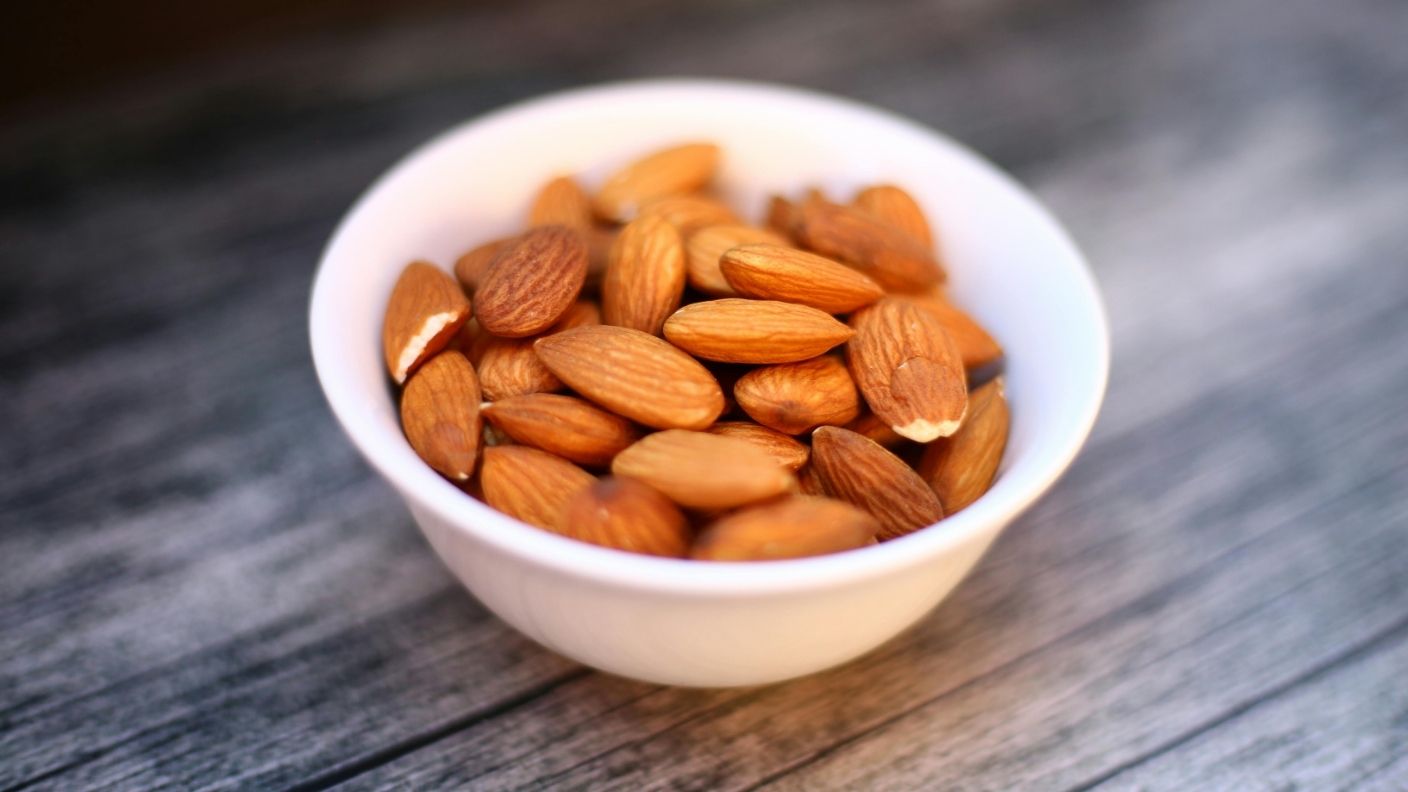
Almonds are one of the richest food sources of vitamin E, an antioxidant that helps protect skin cells from the kind of oxidative stress caused by sun exposure and everyday pollution. That protection plays a direct role in keeping skin looking smoother rather than dull or prematurely aged.
A small handful, around a quarter cup, delivers a meaningful dose without much effort involved. Keeping a small bag in a desk drawer or a purse makes them one of the easier additions to work into a normal week.
Eggs
Eggs carry a concentrated dose of biotin, a B vitamin directly tied to healthy skin cell turnover, along with high-quality protein that supplies the amino acids needed to build collagen. Skin relies on a steady collagen supply to stay firm and resist sagging over time.
That combination makes eggs one of the more efficient breakfast choices for anyone specifically thinking about skin. A couple of scrambled eggs cover a real portion of the daily protein needed to support that ongoing repair process.
Flaxseeds
Ground flaxseeds carry both omega-3 fatty acids and plant compounds called lignans, a combination studied for its role in supporting the skin’s moisture barrier. A barrier that’s functioning properly holds onto hydration more effectively and shows up as smoother, less flaky skin.
A tablespoon stirred into oatmeal or a smoothie adds that benefit without changing the flavor much at all. Grinding them fresh, rather than buying pre-ground, helps preserve more of those beneficial fats before they have a chance to break down.
Watermelon
Watermelon is made up of roughly ninety percent water, making it one of the more effective foods for supporting skin hydration from the inside. It also carries lycopene, the same antioxidant found in tomatoes, which has been studied for its ability to help defend skin against sun-related damage.
That combination of hydration and antioxidant support is fairly rare in a single food, since most high-water fruits don’t carry much else nutritionally. A few slices after a meal do double duty without requiring any real effort.
Mango
Mango delivers a solid dose of both vitamin A and vitamin C, two nutrients that work together to support skin repair and the collagen production process. Vitamin A specifically helps regulate how skin cells turn over, which affects how smooth the surface actually looks.
Its natural sweetness also makes it one of the easier fruits to actually want to eat regularly, rather than something forced in for health reasons alone. Sliced and eaten on its own, it needs nothing else to make it worth reaching for.
Turmeric
Turmeric contains curcumin, a compound studied extensively for its anti-inflammatory properties, and chronic low-grade inflammation is increasingly linked to skin that looks dull or uneven in tone. Calming that inflammation from the inside can show up as a more even, smoother appearance over time.
A small amount stirred into a curry, a soup, or even a warm glass of milk is enough to work it into a regular rotation. Pairing it with a small amount of black pepper actually helps the body absorb curcumin far more effectively.
Extra Virgin Olive Oil
Extra virgin olive oil carries polyphenols, plant compounds with antioxidant properties, alongside healthy monounsaturated fats that support the skin’s ability to stay flexible and retain moisture. Diets built around this kind of fat have been associated with skin that shows fewer visible signs of aging.
Using it as a base for salad dressings or drizzling it over roasted vegetables is an easy way to work it in without much thought. Choosing a genuinely cold-pressed version preserves more of those polyphenols than a heavily processed bottle would.
Sunflower Seeds
Sunflower seeds are another concentrated source of vitamin E, working alongside a decent amount of zinc that supports the skin’s natural healing process. That pairing makes them useful for both protecting skin and helping it recover from everyday damage.
A small handful roasted and lightly salted makes an easy snack that requires no preparation at all. Sprinkling them over a salad or a bowl of yogurt is another simple way to add them without eating them plain every time.
RELATED ARTICLE: 7 Drinks That Could Help Support Glowing Skin From the Inside Out
