


8 Everyday Things That Have Changed So Much Since the Early 2000s

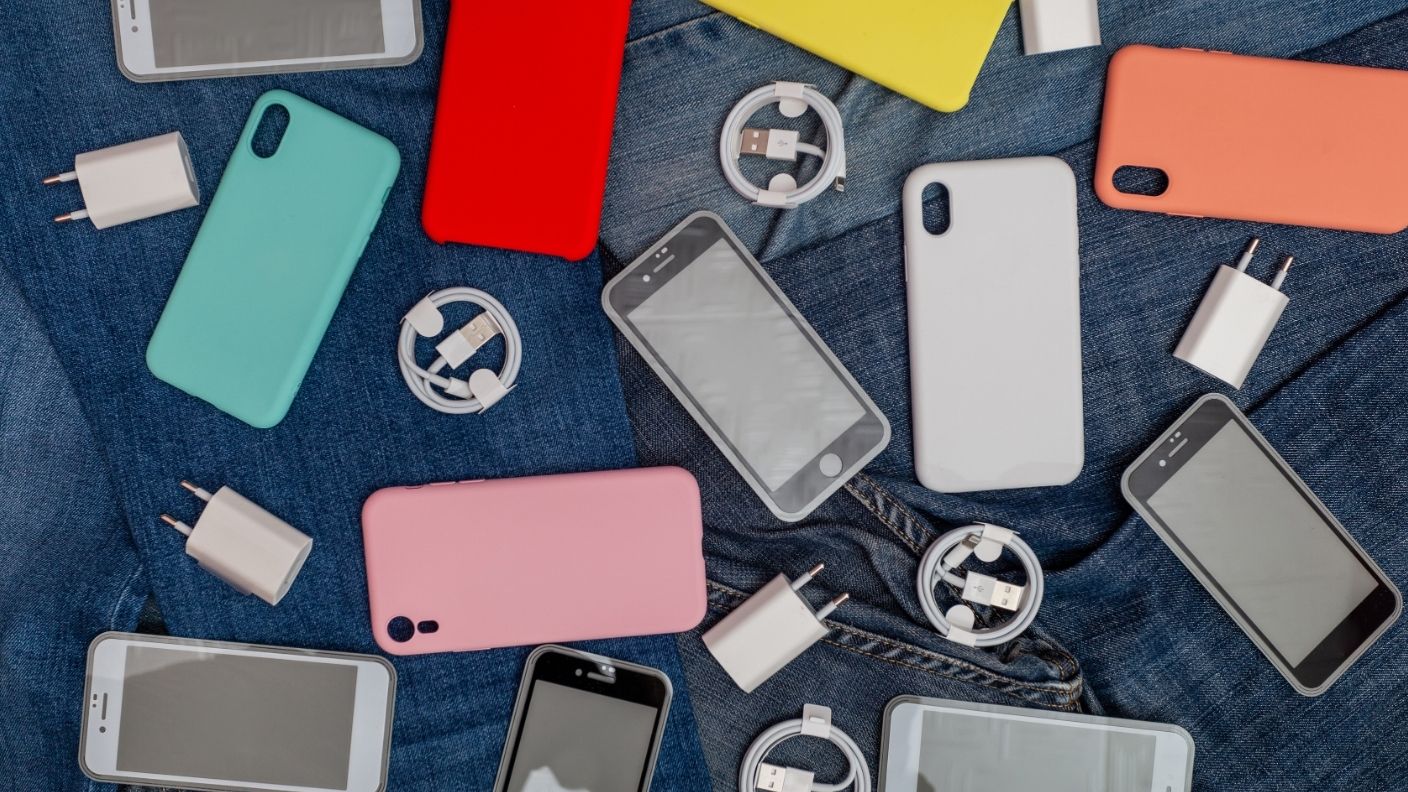
Think back to the early 2000s for a moment. Phones flipped open, music came on shiny discs, and planning a road trip meant printing out pages of directions before leaving the house.
It doesn’t feel that long ago, yet so many daily routines look completely different now. Some changes happened so gradually that it’s easy to forget how differently people once handled ordinary tasks.
Phones
In the early 2000s, cell phones were mostly for calls and short text messages. Flip phones and slider phones were popular, and typing a message often meant pressing the same number key several times to get the right letter.
The arrival of smartphones changed everything, especially after the iPhone launched in 2007. Today, phones handle banking, shopping, navigation, photography, entertainment, and much more.
Watching Movies and TV
Weekend movie nights once involved a trip to the video rental store to pick up DVDs or VHS tapes. Shoppers browsed shelves, hoped the newest release was still in stock, and rushed to return it before late fees kicked in.
Streaming services transformed the experience. Now, thousands of movies and shows are available instantly, and binge-watching an entire season in one weekend has become normal.
Listening to Music
Music fans in the early 2000s built collections of CDs, burned mixes onto blank discs, and carried portable CD players. Digital music players, including the iPod, soon made it possible to carry thousands of songs in a pocket.
Today, most people stream music through apps that offer millions of songs. Personalized playlists and recommendations have replaced carefully organized CD towers.
Taking Photos
Many people still used film cameras in the early 2000s, then waited days for prints to come back from the photo lab. Digital cameras became more common, but photos often stayed on memory cards or computers.
Now, nearly everyone carries a high-quality camera on their phone. Photos can be edited, shared, and backed up within seconds.
Getting Directions
Before navigation apps, travelers relied on paper maps or printed directions from websites. Missing a turn often meant pulling over to figure out where things went wrong.
GPS devices and smartphone maps changed road trips forever. Real-time traffic updates, voice directions, and automatic rerouting have made getting lost far less common.
Paying for Things
Cash and checks were still common in the early 2000s, and many people carried a checkbook in their bag. Paying at stores often meant counting out bills or waiting for a check to be written.
Today, contactless cards, mobile wallets, and payment apps make transactions quick and simple. Many people go days or even weeks without touching cash.
Grocery Shopping
Grocery shopping once meant walking every aisle with a paper list and waiting in line for a cashier. Coupons were clipped from newspapers and sorted into envelopes.
Now, many shoppers order groceries online for pickup or delivery. Digital coupons, self-checkout lanes, and store apps have changed the way people plan and shop for food.
Finding Recipes
Home cooks in the early 2000s often relied on cookbooks, magazines, handwritten recipe cards, or cooking shows. Trying something new meant flipping through pages or calling a relative for instructions.
Today, recipes are available instantly online, often with step-by-step photos and videos. Short cooking videos on social media have also inspired many people to try new dishes and techniques.
RELATED ARTICLE: 9 Foods That Are Having a Major Comeback
