


7 Things to Do After Dinner If You’re Trying to Stay Active Without Going to the Gym


The evening has a way of swallowing good intentions. Dinner ends, the couch calls, and the idea of dragging a gym bag anywhere feels completely out of the question.
What happens right after the meal, though, can matter as much as what was on the plate. These moves need no equipment or membership, and each one pairs naturally with food.
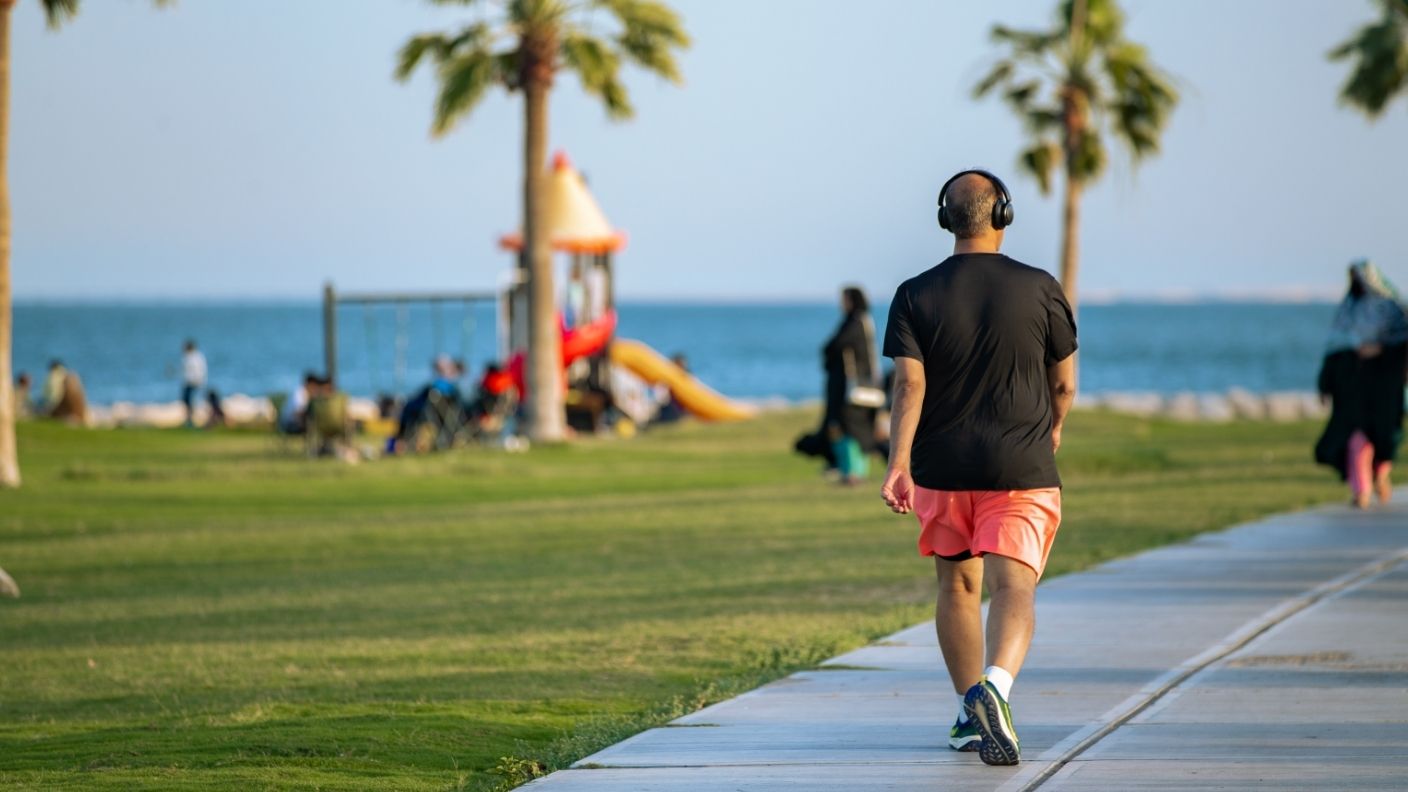
Take a Short Walk After the Meal
A walk is the easiest place to start, and it has the strongest research behind it. Studies on post-meal walking suggest that light movement helps blunt the spike in blood sugar that follows a typical meal.
One New Zealand study found that ten minutes of walking after each main meal lowered daily blood glucose more effectively than a single thirty-minute walk.
The walk and the plate work as a team. A dinner built around vegetables, beans, or lean protein already slows that spike, and a stroll afterward adds a second layer of help.
Clean the Kitchen and Prep Tomorrow’s Food
Standing at the sink and wiping down counters isn’t a workout, but it does break up a long stretch of sitting. Research on post-meal activity points to light movement as more effective than staying seated.
Wiping, sweeping, and putting leftovers away all keep the body moving.
Turn cleanup into a food-prep session while the kitchen is already out. Chop vegetables for tomorrow, cook a pot of rice, or pack a lunch, and the next day’s meals get easier too.
Climb the Stairs Before Dessert
Short bursts of vigorous activity, sometimes called exercise snacks, have gotten a lot of attention lately. One review of studies defined them as bouts lasting less than five minutes, done at least twice a day.
Stair climbing was one of the most popular choices among participants.
The review found improvements in fitness, though not in blood pressure or body composition, so it’s a useful habit rather than a complete plan. A few trips up and down the stairs before dessert turns the treat into a small reward.
Try a Few Bodyweight Moves While Dinner Settles
Bodyweight exercises need only a bit of floor space. Squats, wall sits, calf raises, and counter push-ups can be done in the kitchen while the dishwasher runs.
Lower-body strengthening was among the options participants in exercise snack studies favored.
Strength work and protein go hand in hand, so a dinner with chicken, eggs, beans, or fish gives muscles something to use. Keep the effort light right after a big meal, since hard exercise on a full stomach can be uncomfortable.
Stretch Gently and Keep the Evening Snack Light
Gentle stretching is a calming way to close the day, and it may help with sleep. The Sleep Foundation notes that more than half of yoga practitioners report better sleep, though most of the research comes from smaller studies.
Gentle styles like hatha or yoga nidra suit evenings better than vigorous types.
Food timing plays a part too. Experts generally suggest finishing full meals two to four hours before bed, with a small snack like a banana or a bowl of oatmeal if hunger returns.
Put On Music and Dance
A kitchen dance party is a perfectly good way to move, and it works especially well while cooking. Three or four songs add up to about ten minutes of light-to-moderate activity without anyone calling it exercise.
Stirring a pot, chopping herbs, and swaying to the music all count as movement.
The same trick works after the meal, when the dishes are waiting. Making cleanup feel like a small party helps the whole household pitch in.
Play Outside With the Kids or the Dog, Dessert in Hand
An evening game of catch, a bike ride around the neighborhood, or a slow lap with the dog gets everyone moving at once. These activities feel like free time rather than a task.
They also tend to be easier to keep up than a solo workout.
Dessert can come along for the walk. Sliced fruit, frozen grapes, or a small square of chocolate turns a family stroll into a ritual that people look forward to.
RELATED ARTICLE: 7 Simple Ways to Make Your Favorite Meals More Filling
