


7 Pantry Ingredients That Can Support Your Weight-Loss Goals

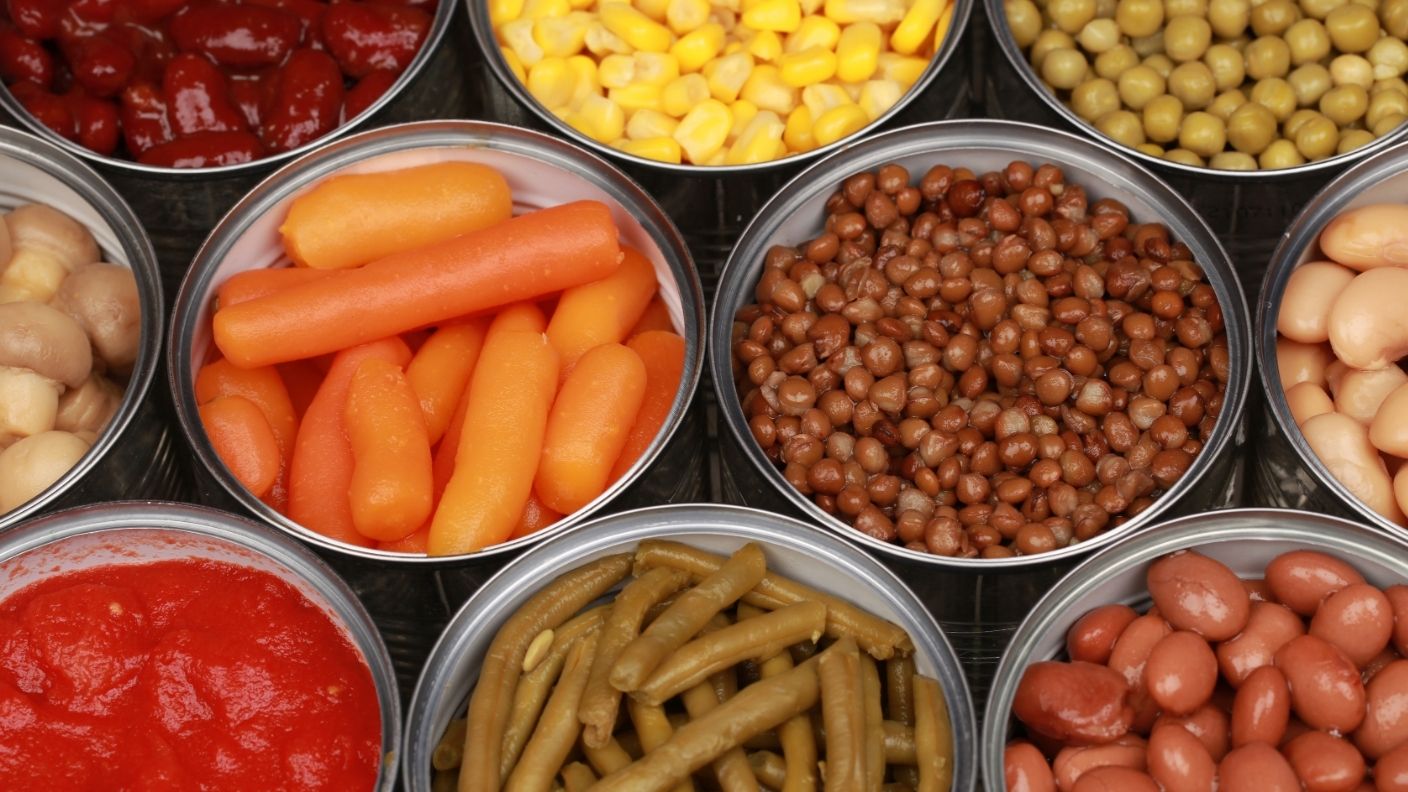

Weight-loss advice tends to focus on what to cut out, leaving the actual pantry as an afterthought in the conversation. A surprising amount of useful support is already sitting on a shelf, in cans and bags that rarely get credit for doing much of anything.
None of these require a special diet plan or a trip to a specialty store to track down.
Canned Beans and Lentils
Canned beans and lentils combine protein and fiber in a single ingredient, a pairing that slows digestion and helps meals feel more satisfying for longer. That combination makes it easier to eat a reasonable portion without feeling shortchanged an hour later.
Because they’re already cooked, a can can be rinsed and stirred straight into a soup, salad, or grain bowl without any extra prep. Swapping in a cup of beans for part of the meat or starch in a dish adds volume and staying power for very few added calories.
Rolled Oats
Rolled oats contain a soluble fiber called beta-glucan, which absorbs water and slows how quickly the stomach empties after eating. That slower digestion translates into feeling full for a longer stretch than a similarly sized bowl of a more refined cereal would provide.
A half-cup serving cooked with water or milk makes a filling breakfast that costs very little per serving. Oats also work well stirred into homemade energy bites or used as a binder in place of breadcrumbs, adding fiber to dishes that wouldn’t otherwise have much.
Chia Seeds
Chia seeds absorb roughly ten times their weight in liquid, expanding into a gel that takes up real space in the stomach for very few calories. That expansion is part of why a small spoonful goes further than its size suggests.
Stirred into yogurt, oatmeal, or a glass of water and left to sit for a few minutes, chia seeds add fiber and a modest amount of protein without changing a recipe’s flavor much. A tablespoon or two is usually enough to notice the effect without overwhelming a dish.
Canned Tuna or Salmon
Canned tuna and salmon deliver a substantial amount of lean protein for very few calories, making them one of the most efficient options in a pantry for anyone watching portions. A single can typically provides more protein than most people expect from something that costs so little.
Mixed with a light dressing over greens, or stirred into a whole-grain pasta salad, canned fish turns into a filling meal in minutes without much cooking involved. Keeping a few cans on hand covers a quick, protein-forward meal on days when cooking from scratch isn’t realistic.
Apple Cider Vinegar
A tablespoon of apple cider vinegar diluted in water before a meal has been studied for its modest effect on blunting blood sugar spikes after eating carbohydrate-heavy foods. That steadier blood sugar response can translate into less of the crash-and-craving cycle that often follows a high-carb meal.
It’s a small, inexpensive addition rather than a dramatic fix on its own, and it works best paired with an already balanced plate rather than as a substitute for one. Diluting it well before drinking it also protects tooth enamel from its acidity.
Canned Pumpkin
Canned pumpkin is mostly water and fiber, which means it adds real volume to a dish without contributing many calories at all. Stirred into oatmeal, soup, or even a smoothie, it bulks up a meal’s size without changing the calorie count by much.
Its natural sweetness also means it can stand in for some of the added sugar or fat in baked goods, like swapping part of the butter in a muffin recipe for pumpkin puree. A single can lasts through several uses, making it one of the more versatile items on this list.
Popcorn Kernels
Air-popped popcorn made from plain kernels is a whole grain that takes up a surprising amount of volume for relatively few calories, especially compared to chips or crackers of a similar portion size. That volume is part of what makes it satisfying as a snack without needing much of it.
A quarter cup of kernels pops into several cups of popcorn, making it one of the more cost-effective snacks per serving in a typical pantry. Seasoning it with spices instead of butter keeps the calorie count low while still making it something worth reaching for.
RELATED ARTICLE: Struggling to Lose Weight After 50? This Protein-Packed Food May Be the Answer
