


7 “Longevity Foods” Nutritionists Eat Every Week

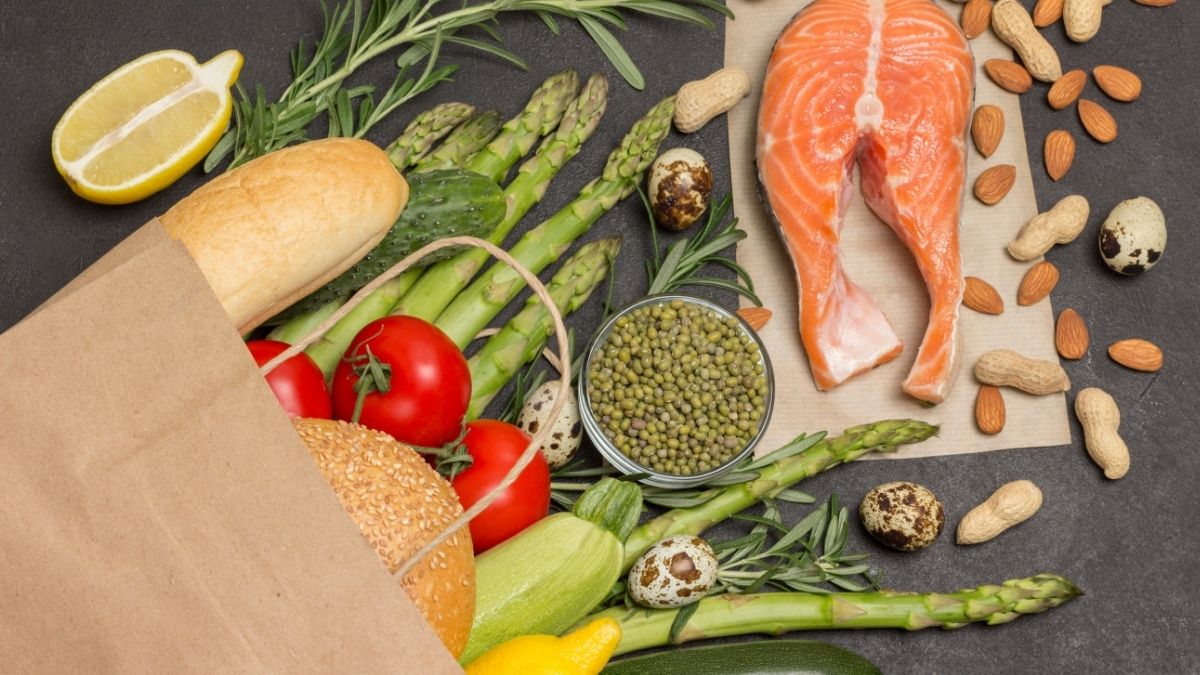

Research into the world’s longest-living populations keeps arriving at the same conclusion. The foods that add years to life are not expensive, exotic, or difficult to find, and they are mostly the same handful of ingredients that show up in every Blue Zone kitchen on earth.
Nutritionists and longevity researchers have been eating them quietly for years, and the science behind each one keeps getting stronger.
Blueberries
Blueberries contain anthocyanins and flavonoids that cross the blood-brain barrier and protect against cognitive decline, making them one of the most studied anti-aging foods available. A 2025 randomized trial found that two cups of mixed berries daily improved DNA repair markers measurably in just eight weeks.
Beans
Beans are the cornerstone of every Blue Zone diet on earth, eaten daily in Okinawa, Sardinia, Nicoya, and Loma Linda. A study found that people lived approximately eight more years for every 20-gram daily intake of legumes, and a 2001 study found beans eaten four times weekly cut heart disease risk by 22%.
Leafy Greens
Research found that people who ate about one serving daily of leafy greens had cognitive abilities comparable to those of someone eleven years younger than people who rarely ate them. Spinach, kale, Swiss chard, and collards are loaded with folate, nitrates, and antioxidants that support everything from brain health to blood pressure regulation.
Extra Virgin Olive Oil
Extra virgin olive oil contains two potent anti-inflammatory compounds, hydroxytyrosol and oleocanthal, that protect cells from the damage driving accelerated aging. A follow-up to the landmark PREDIMED trial found that four tablespoons daily reduced cardiovascular mortality by 48%, and longevity experts consistently point to olive oil as the fat most tied to long life.
Walnuts
The Adventist Health Study found that nut eaters outlive non-nut eaters by an average of two to three years, with walnuts standing out because they contain alpha-linolenic acid, the only plant-based source of omega-3 fatty acids. A small daily handful is enough to support heart health, brain function, and cholesterol.
Fatty Fish
Salmon, sardines, and mackerel deliver omega-3 fatty acids EPA and DHA, which reduce inflammation, support cardiovascular health, and protect against cognitive decline with age. Longevity experts recommend two to three servings weekly, and salmon specifically contains astaxanthin, a powerful antioxidant that supports long-term brain health.
Fermented Foods
Fermented foods including yogurt, kimchi, kefir, and miso support gut microbiome diversity, which plays a direct role in immune function, inflammation levels, and even mood. Research consistently links a healthy and diverse gut microbiome to some of the clearest measurable markers of healthy aging.
What makes this list striking is how unglamorous it looks. No supplements, no complicated protocols, no expensive powders.
Just blueberries on yogurt, a bowl of bean soup, a drizzle of olive oil, a piece of salmon twice a week. The populations that consistently live longest have been eating this way for generations without giving it a label, and the science is simply catching up to what their plates already knew.
RELATED ARTICLE: 5 High-Fiber Legumes That Support Digestion and Longevity
