


7 Foods That Taste Completely Different When You Eat Them in Another Country


Pack the same snack in a suitcase, and it may not taste like itself by the time you open it. Recipes shift with local ingredients, sweeter or saltier preferences, and a dozen small choices that never make it onto the label. The foods below look familiar on the shelf, but a bite abroad can feel like meeting a stranger with the same name.
Kewpie Mayonnaise in Japan
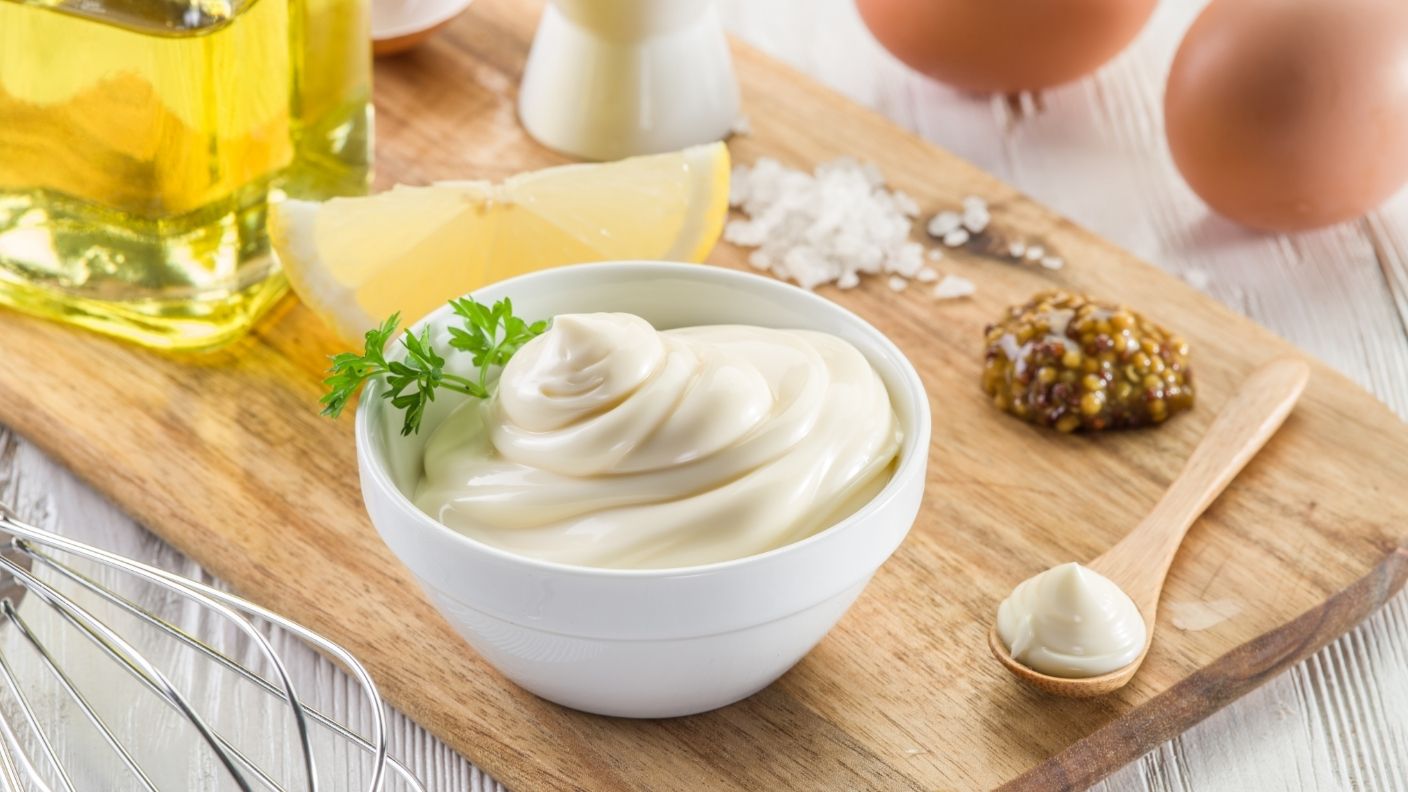
Japanese mayonnaise is made with egg yolks only, while most American brands use whole eggs. That swap gives it a custardy, richer texture, and it is usually mixed with apple cider or rice vinegar instead of plain white vinegar.
Kewpie also contains MSG, which adds a savory depth that American mayo lacks. The result tastes slightly sweeter, tangier, and far more umami, which explains why it works on everything from sandwiches to okonomiyaki.
Milk Chocolate in the United Kingdom
Hershey’s chocolate has a tang that many Americans simply think of as the flavor of chocolate. Experts believe it comes from partially soured milk that produces butyric acid, the same compound found in Parmesan and butter.
Bring a British milk chocolate bar into the picture, and that tang disappears. The taste reads as creamier and mellower, which is why many travelers say American chocolate suddenly tastes sharp after a trip to London.
Coca-Cola in Mexico
Mexican Coca-Cola is often made with cane sugar, while the standard American version typically uses high-fructose corn syrup. Fans describe the cane sugar version as cleaner and crisper, with less of a lingering sweetness.
It is often sold in tall glass bottles too, which many people swear changes how the fizz feels. Whether it is the sugar, the glass, or the setting, the drink tends to taste noticeably different.
Pizza in Italy
A true Neapolitan pizza looks very little like a loaded slice from a delivery box. The crust is thin and soft in the center, with puffed, blistered edges from a blazing wood-fired oven that cooks it in a minute or two.
Toppings stay minimal, usually crushed tomatoes, fresh mozzarella, and basil. With so little on top, each ingredient is tasted on its own, and the pizza comes across as lighter, fresher, and more tomato-forward.
Butter in Europe
European-style butter has more butterfat than the standard American stick, at least 82 percent compared with the 80 percent legal minimum in the United States. Less water means a richer, creamier flavor.
Spread it on fresh bread, and the difference is easy to taste. It also changes baked goods, making croissants and pastries flakier and more fragrant.
Curry in Japan
Japanese curry is a long way from the fiery versions found in South Asia. It is built on a thick, glossy roux and tastes mild, mellow, and slightly sweet, sometimes with grated apple or honey stirred in.
It is ladled over rice with soft potatoes and carrots, and the effect is closer to a comforting stew than a spicy sauce. Travelers who expect heat are often surprised by how gentle it feels.
Kit Kat in Japan
The familiar chocolate wafer bar is a blank canvas in Japan, where flavors range from matcha and roasted tea to sake and wasabi. Even the classic versions often taste a bit different because the chocolate is formulated for local preferences.
Part of the fun is the sheer variety, since new editions appear all the time and many are sold only in certain regions. Picking one up is an easy way to taste a country in a single bite.
RELATED ARTICLE: American Fast Food vs. Other Countries: Differences
