


7 Foods That Became Popular for Reasons That Had Nothing to Do With Taste


Every food trend eventually gets explained the same lazy way, as if enough people simply tried something and decided it tasted incredible. That story is comforting, and it’s also frequently wrong.
A surprising number of foods now sitting in regular rotation got there through a press release, a marketing budget, a viral photo, or a diet fad that had almost nothing to do with what was actually on the fork.
Kale
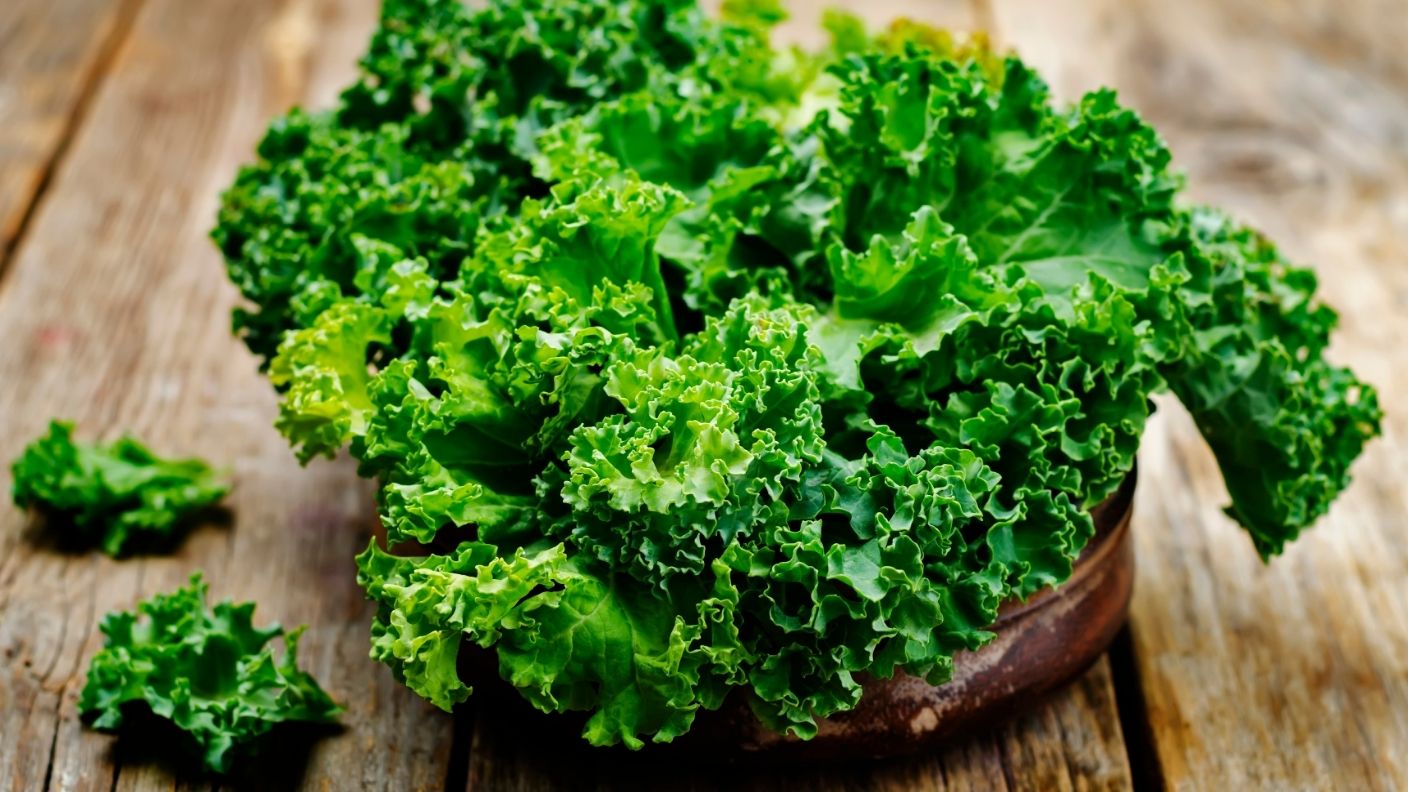
Before 2012, kale’s main job in most restaurants was decorative, arranged around a salad bar to make the other food look fresher. It wasn’t something people were requesting, and it certainly wasn’t winning any popularity contests on flavor.
Its transformation into a national obsession traces back to a PR agent named Oberon Sinclair, who built an entire campaign around the vegetable, including inventing a group called the American Kale Association that never actually existed. The fabricated organization helped kale get treated like a real movement rather than one publicist’s personal favorite vegetable.
SnackWell’s Cookies
When SnackWell’s launched in 1992, it landed at the exact moment the USDA released its food pyramid pushing low-fat eating as the standard. Informal taste tests at the time were unflattering, with testers calling the cookies dry and hard, and roughly three out of four people preferring regular Chips Ahoy! in a side-by-side comparison.
None of that stopped the brand from becoming a phenomenon anyway. Sales hit $57 million within five months, and by the third year, shoppers had spent half a billion dollars on the line, driven almost entirely by the word “fat-free” printed on the box rather than anything happening on the tongue.
Bottled Water
In 2006, Fiji Water ran an ad mocking Cleveland’s tap water with the line “it’s not bottled in Cleveland.” Cleveland’s water department responded by actually testing both, and found measurable arsenic in the Fiji bottle while the city’s own tap water showed none at all.
The arsenic level stayed within legal limits, and Fiji weathered the story without losing its premium shelf position. That survival says something on its own, since a product built on an implied purity claim kept selling at a markup even after a public test complicated that exact claim.
Cronuts
The croissant-doughnut hybrid didn’t become a citywide phenomenon because word slowly spread about how it tasted. A single Grub Street preview article generated well over a hundred thousand clicks within hours, and the bakery’s first batch sold out in 35 minutes once doors opened.
By the third day, more than 150 people were lining up before the shop even opened, a scene that became the story itself far more than the pastry did. Limited daily batches and rotating flavors kept that scarcity going on purpose, since a line outside a bakery photographs a lot better than a pastry sitting on a plate.
Jell-O Salad
Gelatin salads spread through mid-century American kitchens largely because Jell-O’s marketing targeted women directly, mailing out recipe booklets that made the dish look like an aspirational, modern thing to serve. Assembling one required almost no cooking skill, which mattered enormously to households juggling a faster postwar pace of life.
Owning a working refrigerator to actually set the gelatin also carried its own status at the time, turning a wobbly mold of fruit and vegetables into a quiet display of a household’s modern appliances. Taste came somewhere well after convenience and image in that particular equation.
Charcoal-Activated Foods
Black ice cream, charcoal lattes, and similar inky foods spread almost entirely through how they photographed rather than how they tasted. Activated charcoal was already popular in skincare for its supposed detoxifying properties, and food brands borrowed the same ingredient once its visual effect on camera became obvious.
Activated charcoal itself carries no real flavor of its own, meaning every charcoal dessert still depends on standard additions like vanilla or chocolate for actual taste. The charcoal’s entire contribution is color, deployed specifically because a jet-black scoop of ice cream stands out instantly in a photo grid full of pastel food.
Kombucha
Kombucha’s jump from niche health-food shelf to mainstream grocery aisle tracked almost exactly with rising public interest in gut health and probiotics, not with any sudden improvement in flavor. Sales grew by roughly 150% between 2015 and 2018, fueled largely by people researching health claims online and sharing what they found on social media.
Flavor innovation only became a priority for kombucha brands after that initial wave of health-driven interest had already built a customer base. The tangy, vinegary taste that put off plenty of first-time drinkers turned out not to matter much once probiotics and gut health became the actual selling point.
RELATED ARTICLE: Why Your Favorite Childhood Snacks Don’t Taste the Same Anymore
