


7 Foods Doctors Recommend Eating More Often After 50 for Healthy Aging

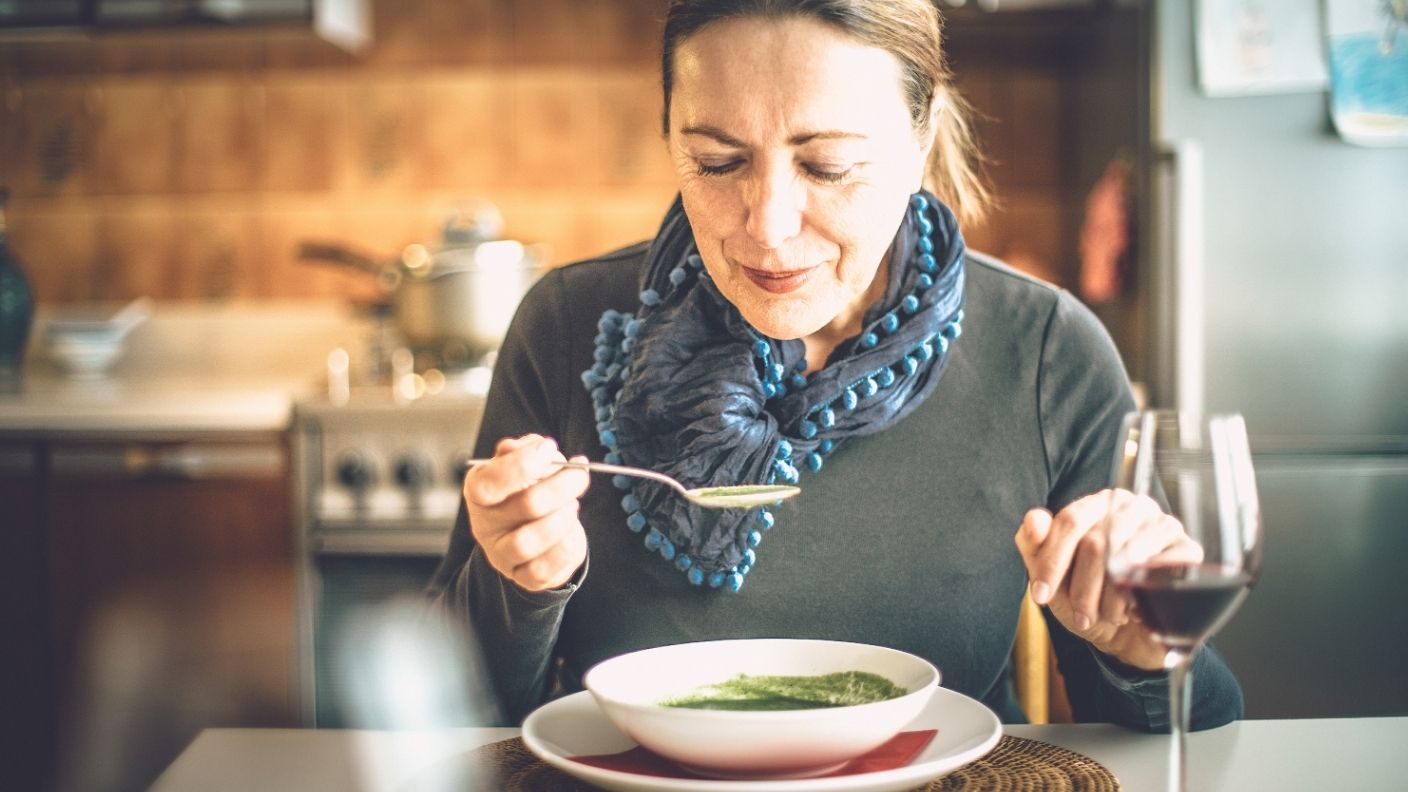

Birthdays past a certain point tend to come with a quiet mental note to start paying closer attention to health. Doctors rarely ask for a dramatic overhaul of anything, just a shift in which foods show up on the plate more often.
A handful of ingredients come up again and again in that advice, mostly because the research behind them keeps holding up. None of them require a special trip to a specialty store.
Fatty Fish
Salmon, mackerel, and sardines carry omega-3 fatty acids that support heart and brain health in ways few other foods can match. Doctors tend to bring these up first specifically because the evidence connecting them to lower rates of heart disease is so consistent.
Two servings a week is the general benchmark most physicians point to. Canned versions work just as well nutritionally as fresh fillets, which makes the habit easier to keep up than people often assume.
Leafy Greens
Spinach, kale, and Swiss chard bring a concentrated dose of vitamin K, folate, and antioxidants that support bone density and cognitive health. Both of those areas tend to need more support as the years go on.
Cooking them lightly, rather than eating them exclusively raw, can actually make some of those nutrients easier for the body to absorb. A quick sauté in olive oil turns them into a side dish rather than an afterthought.
Berries
Blueberries, strawberries, and blackberries are dense in antioxidants linked to slower cognitive decline in several long-running studies. Their fiber content also supports digestion, which tends to matter more as metabolism naturally slows.
Frozen berries carry nearly identical nutrition to fresh ones, and they’re considerably cheaper and easier to keep on hand. Tossing a handful into oatmeal or yogurt is an easy way to make the habit automatic.
Beans and Lentils
Legumes deliver fiber and plant-based protein without the saturated fat that comes with a lot of animal protein sources. That combination supports both heart health and steady blood sugar, two things doctors watch closely after 50.
They’re also remarkably versatile, working in soups, salads, and grain bowls without much effort. A cup a few times a week is enough to start seeing the benefit show up in cholesterol numbers over time.
Greek Yogurt
Greek yogurt combines protein with probiotics that support gut health, an area of the body increasingly linked to immune function and even mood. The higher protein content compared to regular yogurt also helps preserve muscle mass, which naturally declines with age.
Choosing plain over flavored varieties avoids the added sugar that undercuts a lot of yogurt’s benefits. A drizzle of honey or a handful of fruit does the same job without the extra sugar load.
Walnuts
A small handful of walnuts delivers a genuinely useful dose of omega-3s alongside fiber and plant compounds tied to lower inflammation. Doctors often point to walnuts specifically among nuts because of how consistently they show up in heart-health research.
Because they’re calorie-dense, portion size matters more here than with most foods on this list. A small handful a few times a week tends to be the sweet spot doctors mention most often.
Extra Virgin Olive Oil
Swapping butter or other cooking fats for extra virgin olive oil brings in monounsaturated fats linked to better cholesterol levels and reduced inflammation. It’s one of the simplest single swaps doctors recommend, since it doesn’t require changing a recipe, just an ingredient.
Using it as a finishing drizzle over vegetables or bread preserves more of its beneficial compounds than using it at very high heat. A tablespoon or two a day is generally enough to see the associated benefits.
RELATED ARTICLE: Feeling Older Than You Used To? These Anti-Aging Foods May Be Worth Adding to Your Kitchen
