


6 Reasons Why Nutritionists Love Pumpkin & Why Now Is the Best Time to Eat It

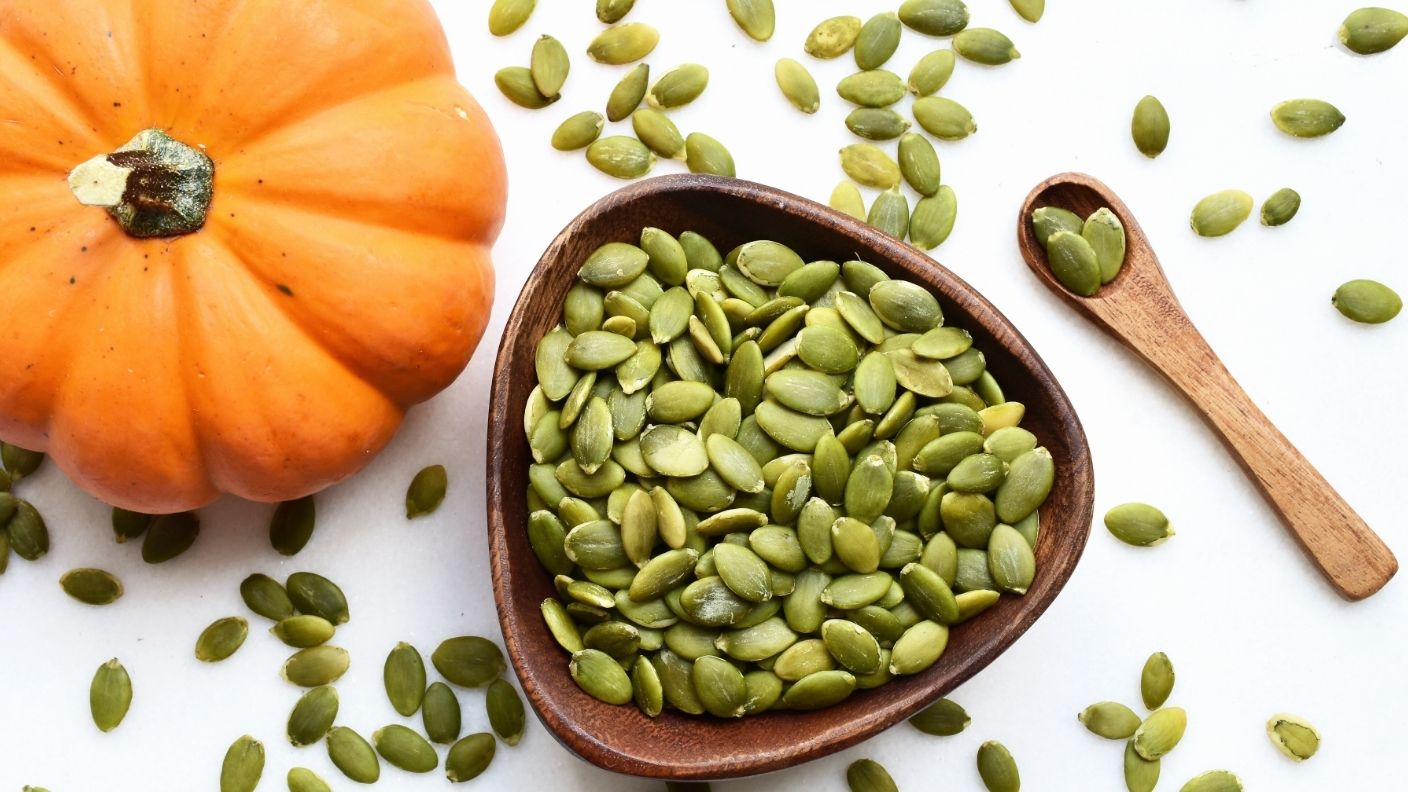

Pumpkin tends to show up everywhere the moment fall rolls around, tucked into lattes, candles, and seasonal decor long before anyone thinks about what’s actually inside the gourd itself.
Underneath the marketing, though, this orange squash is doing some genuinely impressive nutritional work.
Dietitians consistently point to it as one of the smartest additions to a plate, and the reasons go well beyond its color or its pie potential.
It’s Packed With Vitamin A
A single cup of cooked pumpkin delivers close to 245% of the recommended daily amount of vitamin A. That comes almost entirely from beta-carotene, the plant pigment responsible for the pumpkin’s bright orange color in the first place.
Vitamin A plays a direct role in eye health, immune defense, and skin cell turnover. It’s also involved in helping the eyes adjust in low light, which is part of why so many orange vegetables get linked to good vision.
It’s a Fiber Powerhouse
One cup of pumpkin contains roughly 3 grams of fiber, all for about 50 calories. That’s a solid return for such a low-calorie food.
Fiber slows digestion and helps keep blood sugar more stable after meals. It also supports a feeling of fullness, which is one reason nutritionists often recommend pumpkin to people trying to manage their weight without feeling deprived.
It Supports Heart Health
Pumpkin is unusually rich in potassium, with a single cup providing more than a medium banana. Potassium helps regulate blood pressure and keeps muscles, including the heart, functioning properly.
Combined with its fiber content, pumpkin gets credited with supporting healthier cholesterol levels as well. Dietitians often mention it in the same breath as other heart-friendly staples like leafy greens and oats.
It’s Loaded With Antioxidants
Beyond vitamin A, pumpkin contains antioxidants like lutein and zeaxanthin, both of which are known to support eye health specifically. These compounds help protect cells from the kind of everyday oxidative damage linked to aging and chronic disease.
Vitamin C adds another layer of antioxidant support, with a cup of cooked pumpkin providing close to 19% of the daily recommended amount. That combination of nutrients is part of why nutritionists describe pumpkin as doing more than its modest calorie count would suggest.
It’s Naturally Low in Calories
Despite how hearty and filling pumpkin dishes tend to feel, the vegetable itself is remarkably light. A full cup of cooked pumpkin comes in at around 50 calories, with no fat and no cholesterol.
That makes it an easy way to add volume, texture, and nutrients to a meal without significantly raising the calorie count. Swapping pumpkin puree into recipes that normally call for butter or oil is a common trick for exactly this reason.
Even the Seeds Are Nutritious
Pumpkin seeds, often called pepitas once they’re hulled, are a nutritional story of their own. They’re rich in magnesium, zinc, and healthy unsaturated fats, along with a meaningful amount of plant-based protein.
Roasting the seeds with a little oil and salt turns them into a snack that pairs well with the rest of pumpkin’s benefits. Tossing them onto salads, oatmeal, or soups is an easy way to use the part of the pumpkin that often gets thrown away.
Why Now Is the Best Time to Eat It
Pumpkin reaches peak harvest in the fall, which means fresh pumpkin is at its most flavorful and nutrient-dense right now. Locally grown pumpkins picked in season also tend to have a denser, less watery texture than ones sold out of season.
Canned pumpkin puree is available year-round and retains most of the same nutritional benefits, so the health case for eating it doesn’t disappear once winter arrives. Still, fall is when pumpkin shows up most naturally in kitchens, making it the easiest season to build the habit.
RELATED ARTICLE: The Grocery Store Foods Nutritionists Say Are Worth Buying More Often
