


5 Things They Teach in Culinary School That Every Home Cook Needs to Know

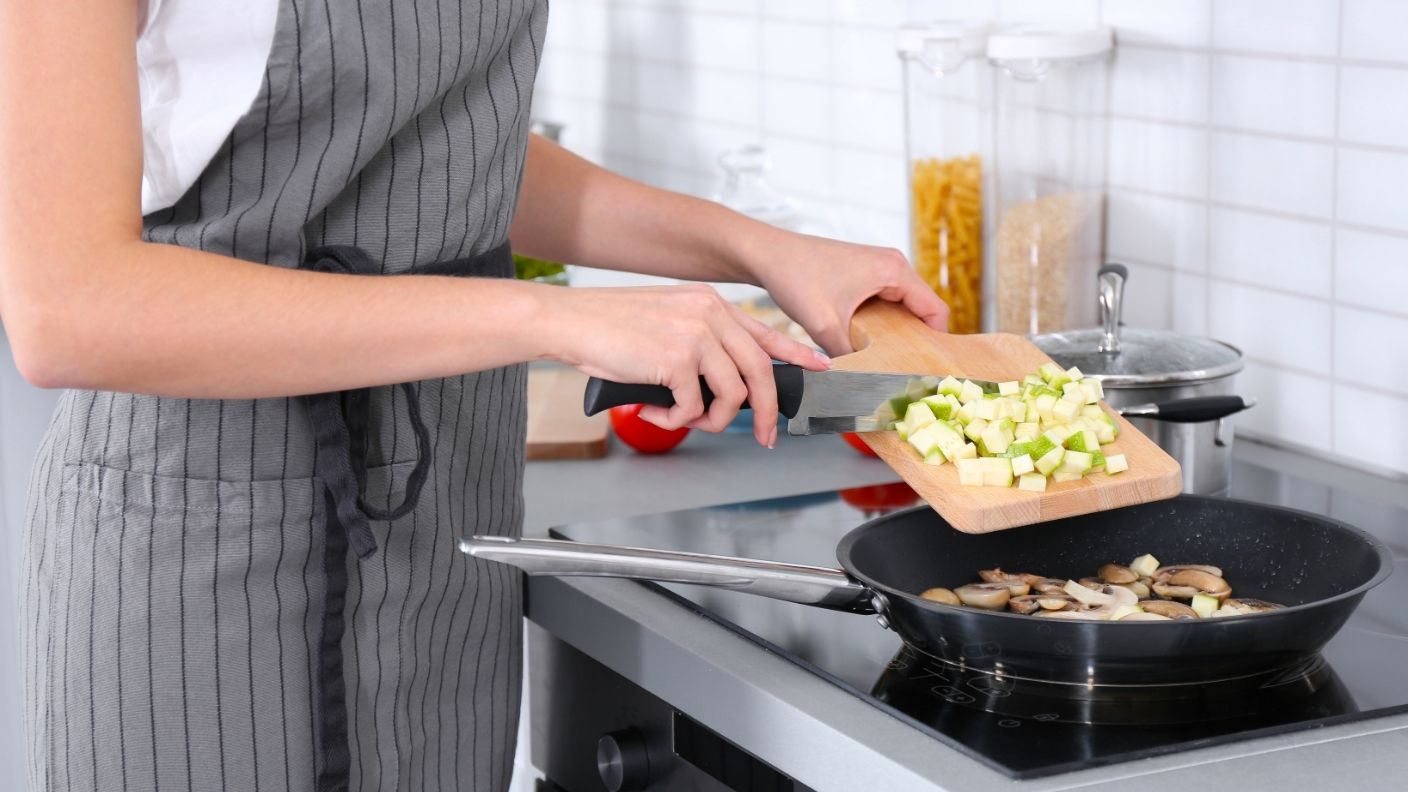

You don’t need a diploma or a white chef’s coat to cook well at home, but there’s a reason professional kitchens run so differently from most home kitchens. A handful of habits drilled into culinary students early on make a real, noticeable difference once you start applying them to your own cooking.
1. Mise en Place Isn’t Just for Professionals
Culinary students learn the concept of mise en place, a French term that essentially means having everything measured, chopped, and ready to go before the stove even turns on.
It’s the reason professional kitchens are full of small prep bowls, since scrambling to chop an onion mid-recipe while something else is already cooking is exactly how dishes get overcooked or burnt.
Doing this at home doesn’t require a dozen matching bowls, just a few minutes upfront to read through the recipe and get every ingredient prepped and within reach. It sounds like an extra step, but it actually makes cooking faster and far less stressful once the pan is hot and things start moving quickly.
2. Real Knife Skills Change Everything
Knife work is one of the first things taught in culinary school, and for good reason: a proper grip and technique make cooking safer, faster, and far more consistent.
Students learn to tuck their fingertips in and rest their knuckles against the blade while guiding food with their other hand, a grip that keeps fingers well out of the blade’s path.
Beyond safety, cutting ingredients into even, consistent pieces also means they cook at the same rate, so nothing ends up half-raw while the rest turns mushy. It’s a skill that takes a bit of practice, but it pays off in nearly every single dish that involves chopping anything at all.
3. Balance Flavor With Salt, Sugar, Acid, and Fat
When a dish tastes flat or bland, the instinct is usually to reach for more salt, but culinary students are taught to think more broadly than that.
According to lessons commonly taught in culinary programs, a bland dish is often missing salt, sugar, acid, or some combination of the three, not just salt on its own.
A pinch of sugar can bring out the natural sweetness in underripe fruit or vegetables, while a squeeze of lemon or a splash of vinegar cuts through heavy, fatty flavors and makes a dish taste brighter overall.
Learning to taste a dish and identify which of these elements is missing, rather than defaulting to salt every time, is one of the more transferable lessons from culinary training.
4. Never Waste the Browned Bits in the Pan
Those dark, crusty bits that stick to the bottom of a pan after searing meat aren’t something to scrub away and forget about, they’re called fond, and they’re packed with flavor.
Culinary students learn to deglaze the pan by adding a splash of liquid, wine, stock, or even just water, which loosens that fond and dissolves it right back into the dish.
That browning happens through the Maillard reaction, the same chemical process responsible for the deep flavor in seared steak or roasted vegetables. Deglazing takes only a minute or two, but it turns what would otherwise be wasted flavor into the base of a genuinely good pan sauce.
5. Clean as You Go
Professional kitchens run on limited counter space, which is why culinary students are trained to wipe down cutting boards and wash tools throughout cooking rather than letting everything pile up until the end. It keeps the workspace functional and makes it much easier to focus on the next step instead of hunting for a clean surface or a free burner.
At home, this habit pays off just as much, since it turns cooking dinner into a process rather than a chore followed by a mountain of dishes.
A few seconds spent rinsing a cutting board between ingredients adds up to a much calmer, more manageable kitchen by the time the meal is actually ready.
None of these habits require culinary school itself to learn, just a willingness to slow down slightly and build them into an everyday routine.
Small as they sound individually, together they’re the difference between cooking that feels chaotic and cooking that actually feels like second nature.
RELATED ARTICLE: The Mistakes That Are Ruining Your Homemade Soups
