


5 Supplements You Might Be Spending Money On for Little Benefit

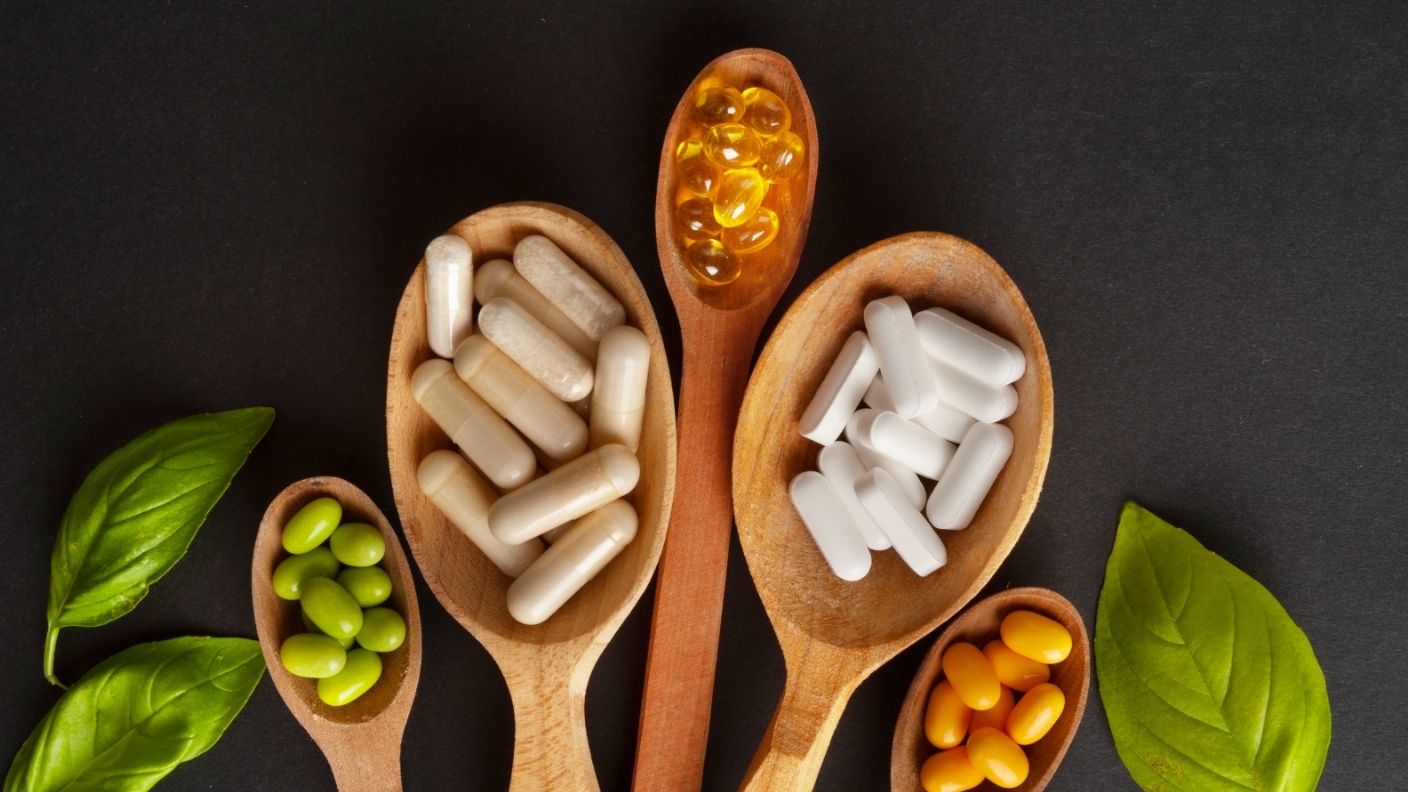

Supplement shelves have never been more crowded. Bottles promise better immunity, stronger hair, faster muscle growth, and cleaner insides, often with eye-catching labels and hefty price tags to match.
For some people with specific needs, certain supplements genuinely help. But for many healthy adults, a few of the most popular products deliver far less than their marketing suggests, and the money might be better spent elsewhere.
Multivitamins
Daily multivitamins are among the most commonly used supplements, often treated as a kind of nutritional insurance. Many people take them hoping to prevent serious illnesses down the road.
A major review by the U.S. Preventive Services Task Force, covering studies with hundreds of thousands of participants, found little to no benefit from multivitamins for preventing heart disease or cancer in healthy adults. Eating a varied diet with plenty of fruits, vegetables, whole grains, and protein generally covers nutrient needs more effectively.
BCAAs
Branched-chain amino acids, or BCAAs, are a staple in many gym bags. They’re marketed as a way to build muscle, speed recovery, and reduce soreness.
The catch is that BCAAs are already found in protein-rich foods like meat, eggs, dairy, and legumes. If you’re eating enough total protein each day, research suggests extra BCAAs add little benefit for muscle growth.
Biotin for Hair and Nails
Biotin is often sold as a beauty supplement for thicker hair, stronger nails, and glowing skin. Many products contain doses far above what the body needs.
True biotin deficiency is rare, and studies haven’t shown clear benefits for people who aren’t deficient. High doses can also interfere with certain lab tests, including some used to diagnose heart problems, which is why the FDA has warned consumers to tell their doctors if they take it.
Vitamin C for Preventing Colds
Many people reach for vitamin C tablets the moment cold season starts. The idea that it prevents colds has been around for decades.
Research reviews have found that regular vitamin C supplements don’t reduce how often most people catch colds. They may slightly shorten how long a cold lasts, but the effect is modest, and getting vitamin C from foods like citrus, peppers, and strawberries is an easy alternative.
Detox and Cleanse Products
Detox teas, cleansing pills, and flush kits claim to rid the body of toxins and jumpstart weight loss. Some even promise flatter stomachs in just a few days.
Your liver and kidneys already handle the job of filtering and removing waste. Many detox products simply act as laxatives or diuretics, causing temporary water loss rather than real health benefits, and some can lead to dehydration or digestive problems.
When Supplements Do Make Sense
Some people genuinely benefit from supplements. Pregnant women need folic acid, many vegans need vitamin B12, and people with limited sun exposure may need extra vitamin D.
A doctor can check for deficiencies through blood tests and recommend specific supplements if needed. Targeting real gaps is usually more effective, and more affordable, than taking a handful of products just in case.
Food Usually Comes First
Whole foods provide nutrients alongside fiber, antioxidants, and other compounds that pills can’t fully replicate. A balanced diet often delivers more benefits than any single supplement.
Before buying a new product, it’s worth asking whether your diet already covers that nutrient. Spending a little more on quality groceries may offer a better return than another bottle on the shelf.
RELATED ARTICLE: Dietitians Reveal the One “Health Food” Aisle You Should Skip Entirely
