


5 Common Mistakes You’re Making When Roasting Vegetables

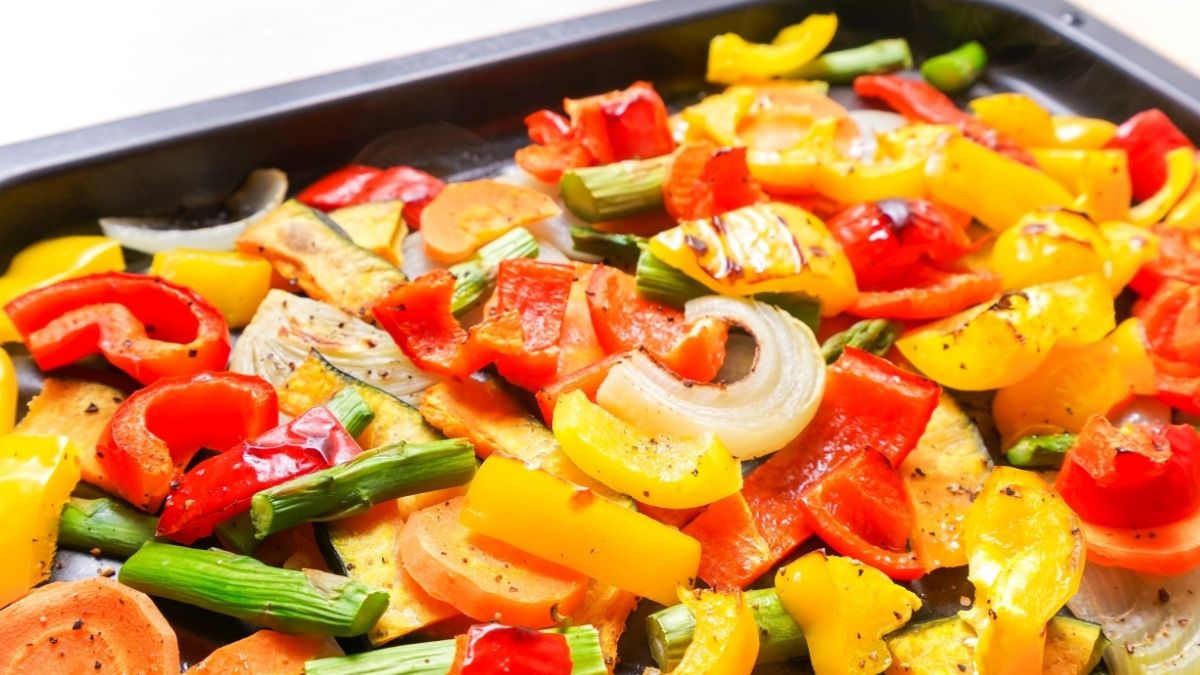

Roasting vegetables is supposed to be the simplest way to prepare a healthy side dish. You just chop them up, add some seasoning, and let the oven work its magic. However, many people still end up with a tray of mushy or unevenly cooked greens.
It is disappointing when your dinner doesn’t have that satisfying crunch you see in restaurants. Most of these issues come down to a few small habits that are very easy to fix.
Read on to discover the most common errors you should avoid tonight.
1. Crowding the Baking Sheet
If you pile your vegetables on top of each other, they will never get crispy. The moisture trapped between the pieces creates steam, which leads to a soggy texture. Give your produce plenty of room to breathe so the hot air can circulate properly.
Using two pans is always better than overcrowding one. This allows the edges of the vegetables to caramelize instead of boiling in their own juices. You will notice a massive difference in the final crunch.
2. Being Too Stingy With Oil
Vegetables need a healthy coating of fat to brown effectively in the high heat. If you use too little oil, your veggies will likely turn out dry and leathery instead of tender. Fat also helps the heat transfer more efficiently from the pan to the food.
Make sure every piece has a light, shimmering coat before you slide them into the oven. You don’t want them swimming in oil, but they shouldn’t look dry either. This simple step improves nutrient absorption during your meal.
3. Cutting Pieces Into Different Sizes
Even cooking requires uniform pieces of food. If you mix giant chunks of sweet potato with tiny slices of onion, the onion will burn before the potato is soft. Try to keep your knife work as consistent as possible for the best results.
This ensures that every bite reaches the perfect texture at the exact same time. It also prevents the frustration of picking out charred bits from an undercooked tray. Consistency is the secret to professional-looking meals.
4. Setting the Temperature Too Low
A low oven temperature will cook your vegetables, but it won’t truly roast them. You need intense heat to trigger the caramelization process that makes roasted food taste so savory. High heat can also preserve certain vitamins by significantly reducing the total cooking time.
Aim for at least 400°F (200°C) to get that perfect, deep brown char. Many home cooks are afraid of high heat, but it is necessary for flavor. Just keep a close eye on the timer to prevent burning.
5. Forgetting to Flip and Stir
The bottom of your vegetables will always cook faster because it is touching the hot metal tray. If you never move them, one side will be burnt while the other side stays pale. Famous chefs like Ina Garten swear by a mid-roast toss for the best results.
Set a timer to go off halfway through the total roasting time. Give the tray a good shake or use a spatula to flip the pieces over. This small effort ensures an even, golden finish on every single side.
