


3 Homemade Peeling Ideas for Rough, Bumpy Arms

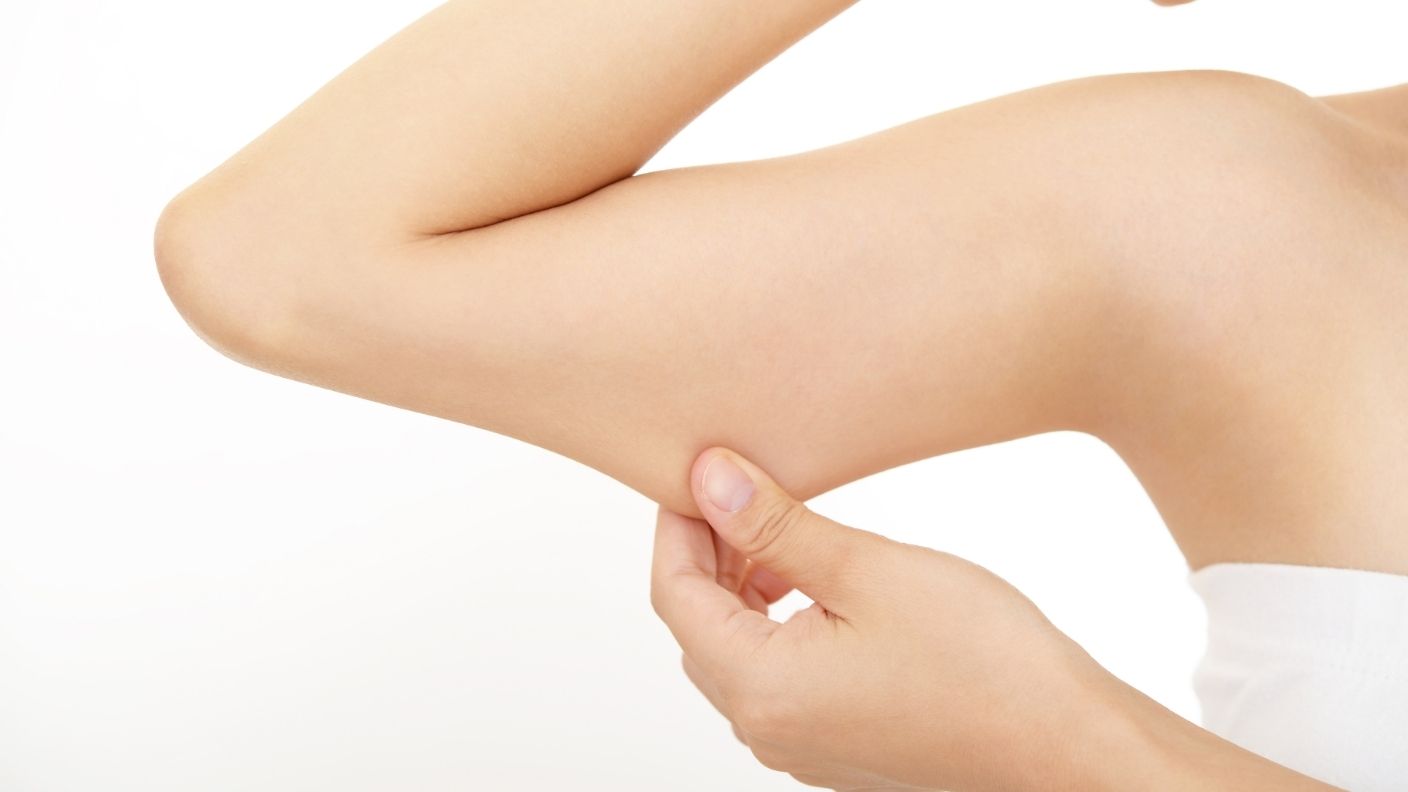

Tiny, sandpaper-like bumps on the upper arms are one of the most common skin complaints, and they tend to show up the moment sleeves get shorter. The condition behind them is usually keratosis pilaris, which is harmless but stubborn.
It often responds to gentle, consistent care. These three kitchen-based ideas follow that approach, with the key being softness rather than scrubbing.
Know What You’re Treating
Keratosis pilaris happens when keratin builds up and plugs hair follicles, creating small rough bumps. Genetics, dry skin, and conditions like eczema all play a role, and it isn’t caused by poor hygiene.
It also has no permanent cure, so the goal is smoother skin, not a one-time fix.
The American Academy of Dermatology advises gentle exfoliation, since hard scrubbing can irritate skin and make bumps redder. Mild acids and regular moisturizing do most of the work, and patience matters.
Yogurt and Honey Lactic Peel
Plain yogurt contains lactic acid, one of the gentle alpha hydroxy acids that dermatologists often recommend for rough, bumpy skin. The amount in food is far milder than in a skincare product, which makes this a low-risk starting point.
Stir two tablespoons of plain, unsweetened yogurt with a teaspoon of honey.
Spread it over clean, damp arms and leave it for about ten minutes. Rinse with lukewarm water, pat dry, and moisturize right away.
Oat Flour and Honey Polish
Finely ground oats are soft rather than gritty, which suits sensitive, bumpy skin. Blend plain oats in a food processor until they’re a fine powder, then mix two tablespoons with a spoonful of honey and enough water to form a paste.
Honey helps skin hold on to moisture, and oats calm irritation.
Massage the paste on gently in slow circles for no more than a minute, using almost no pressure. Rinse with warm water and follow with moisturizer.
Papaya and Aloe Enzyme Mask
Ripe papaya contains papain, an enzyme that helps loosen dead surface cells without any scrubbing. Mash two tablespoons of ripe papaya and stir in a spoonful of pure aloe vera gel.
The aloe adds a cooling, soothing layer.
Apply it to the arms for about ten minutes, then rinse. Anyone with a latex or papaya allergy should skip this one, and a patch test on the inner forearm is wise before trying any of these.
Moisturize Right Away
The step after the peel matters more than the peel itself. Dermatologists recommend applying moisturizer within a few minutes of bathing, while skin is still damp.
Creams with lactic acid, urea, or ceramides are especially helpful for bumpy skin.
Fragrance-free, non-comedogenic formulas are the safest bet. Reapplying a couple of times a day helps keep the roughness from coming back.
Habits That Help Between Peels
Use warm or lukewarm water instead of hot, and keep showers short. A mild cleanser is better than bar soap, and patting skin dry is gentler than rubbing.
Shaving and waxing can aggravate bumps, so it’s worth minimizing them on affected areas.
A humidifier helps in dry months. Limit peels to once or twice a week, and stop for a few days if skin becomes dry, red, or irritated.
When to See a Dermatologist
Keratosis pilaris is harmless, so treatment is optional. If the bumps itch badly, bleed, look infected, or spread quickly, a doctor should take a look.
A dermatologist can also suggest stronger options if home care isn’t enough.
Prescription creams and in-office treatments like chemical peels or lasers exist for stubborn cases. Kitchen peels are best seen as gentle maintenance, not a cure.
RELATED ARTICLE: 9 Snacks to Eat When You Want Clearer, Healthier-Looking Skin
