


3 Forgotten Ancient Grains That Pack Considerably More Protein Than Quinoa


Quinoa has spent more than a decade as the poster child of healthy grains. It shows up in salad bowls, meal-prep containers, and restaurant menus as the go-to choice for anyone looking to add plant-based protein to a meal.
But quinoa isn’t the only ancient grain worth a spot in the pantry. A few older staples that were eaten for thousands of years have quietly faded into the background, even though they offer more protein per serving and plenty of other nutritional perks.
Setting the Quinoa Baseline
A cup of cooked quinoa provides about 8 grams of protein. It’s also known for being a complete protein, meaning it contains all nine essential amino acids.
That’s a solid number for a grain, but it’s not the highest. The three grains below each deliver more protein per cooked cup, along with their own distinctive flavors and textures.
Spelt
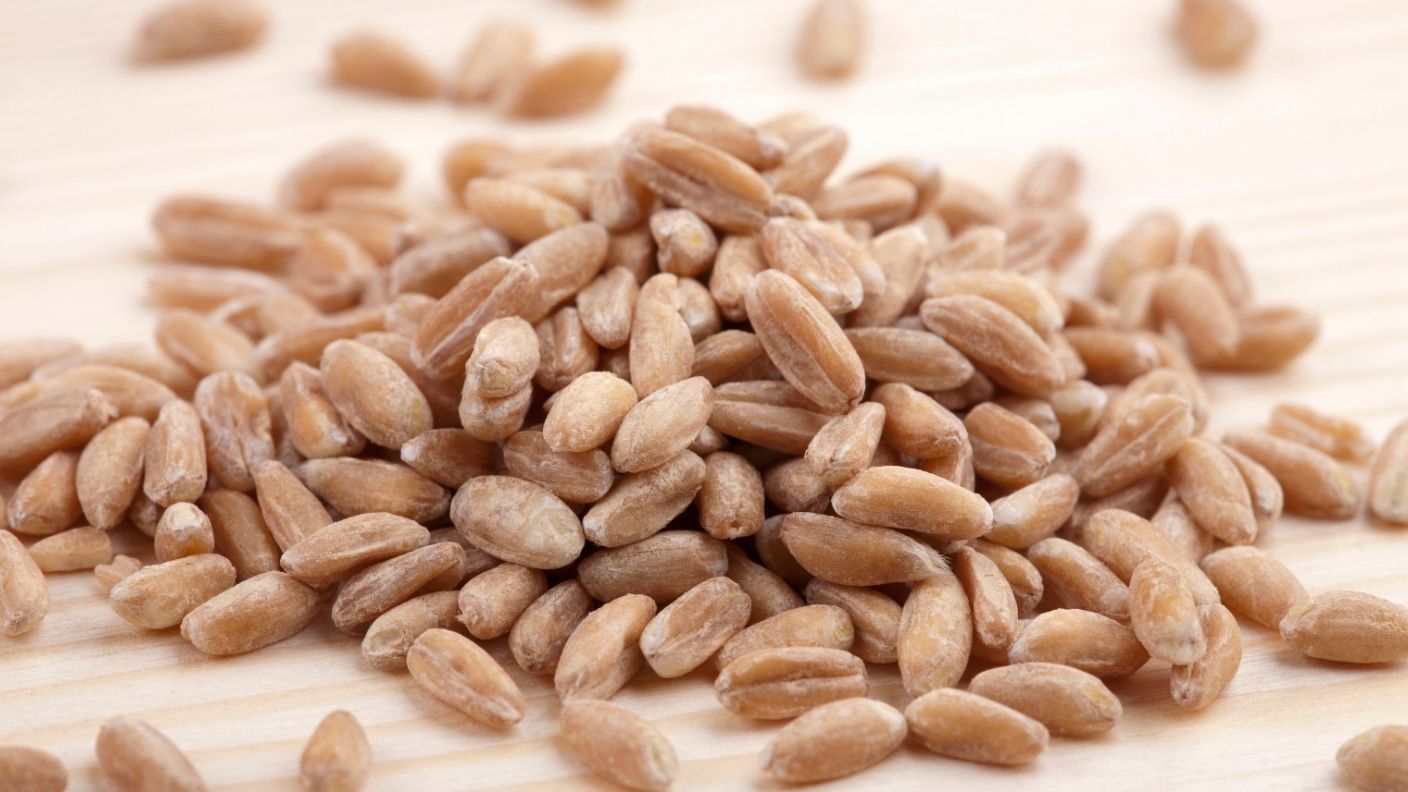
Spelt is an ancient relative of modern wheat that has been grown for thousands of years in Europe and the Middle East. It fell out of favor as higher-yielding wheat varieties took over, but it’s making a comeback in health food stores and bakeries.
A cup of cooked spelt delivers about 10 to 11 grams of protein, noticeably more than quinoa. It also provides fiber, manganese, iron, and magnesium, along with a slightly sweet, nutty flavor.
How to Cook With Spelt
Whole spelt berries can be simmered like rice and used in grain bowls, soups, and salads. They have a chewy texture that holds up well and doesn’t turn mushy.
Spelt flour is also popular for baking bread, pancakes, and muffins. It contains gluten, so it isn’t suitable for people with celiac disease, though some people with mild wheat sensitivities find it easier to digest.
Kamut
Kamut is the brand name for khorasan wheat, an ancient grain with roots in the Fertile Crescent. Its kernels are about twice the size of modern wheat, giving it a hearty bite.
A cup of cooked khorasan wheat offers roughly 10 grams of protein. It’s also a good source of fiber, selenium, zinc, and B vitamins, with a rich, buttery flavor.
How to Cook With Kamut
Kamut berries take a bit longer to cook than quinoa, so soaking them overnight can help shorten the cooking time. Once tender, they make a satisfying base for salads, pilafs, and hearty side dishes.
Like spelt, Kamut is a type of wheat and contains gluten. It also comes in flour and pasta form, which makes it easy to swap into familiar recipes.
Teff
Teff is a tiny grain that has been a staple in Ethiopia and Eritrea for thousands of years. It’s best known as the main ingredient in injera, the spongy, slightly sour flatbread served with many Ethiopian dishes.
A cup of cooked teff provides close to 10 grams of protein. It’s also rich in iron, calcium, magnesium, and fiber, and it’s naturally gluten-free.
How to Cook With Teff
Because teff grains are so small, they cook into a creamy, porridge-like texture. It makes a warm breakfast topped with fruit, nuts, and a drizzle of honey.
Teff flour works well in gluten-free baking, from pancakes to brownies. Its mild, nutty, slightly molasses-like flavor pairs especially nicely with chocolate and warm spices.
Combine Grains for Complete Protein
Unlike quinoa, these grains aren’t considered complete proteins on their own. That’s easy to fix by pairing them with beans, lentils, dairy, eggs, or nuts over the course of the day.
A spelt salad with chickpeas, a Kamut bowl topped with a fried egg, or teff porridge with Greek yogurt all create well-rounded meals. Mixing different protein sources is a simple way to cover all your bases.
Where to Find Them
Spelt and Kamut are often sold in the bulk or natural foods section of grocery stores. They’re also widely available online as whole grains, flours, and pastas.
Teff is increasingly easy to find in health food stores and international markets. Buying small amounts at first is a good way to experiment before committing to a bigger bag.
RELATED ARTICLE: 7 Easy Ways to Add More Protein to Your Everyday Meals
