


#1 Protein Americans Don’t Eat Enough Of

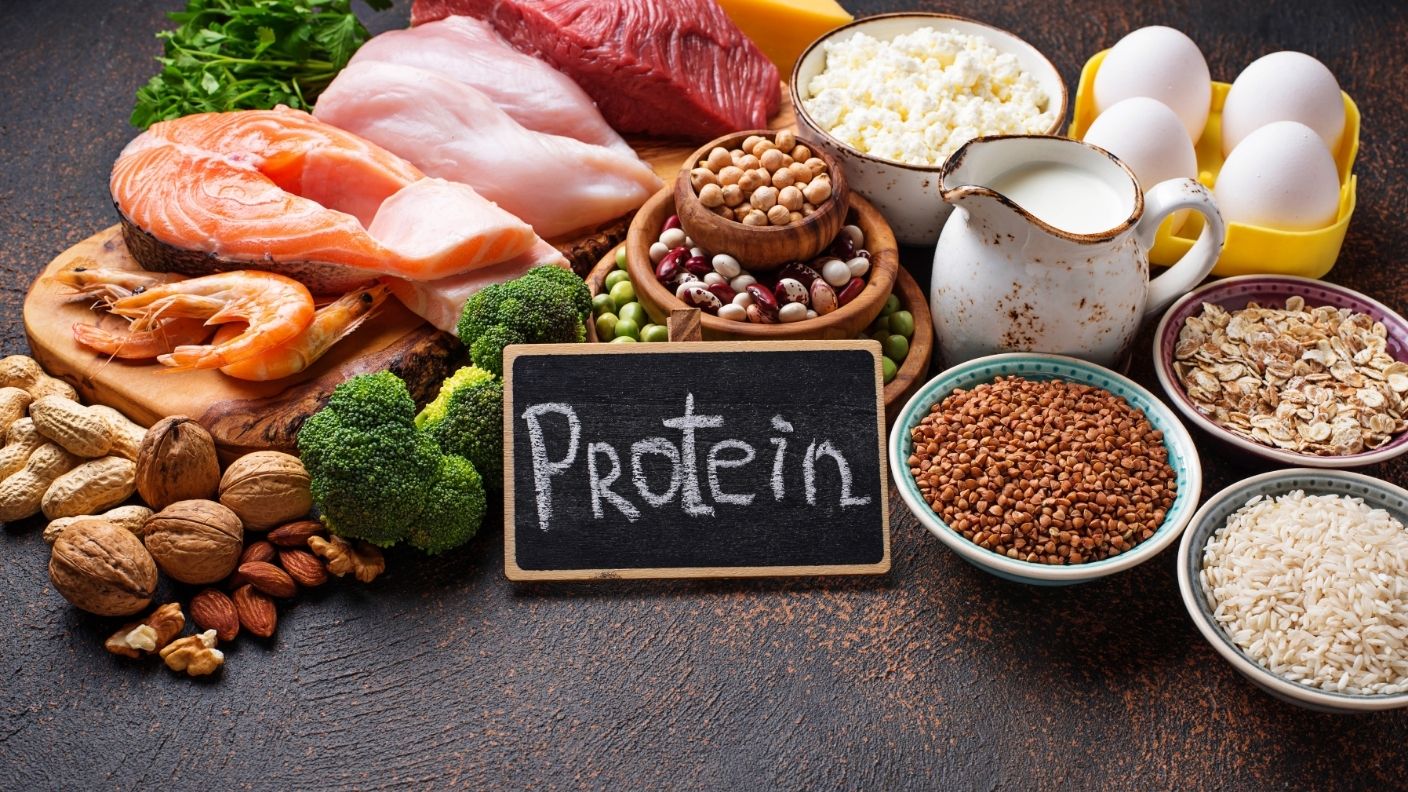

Everyone is obsessed with protein right now. It is in the granola bars, the popcorn, the pasta, the pancakes. But quietly, almost invisibly, the single most nutrient-dense protein source on the planet keeps getting passed over at the dinner table.
And the gap between what Americans are eating and what they should be eating is, frankly, a little startling.
The Protein Nobody Is Actually Eating
While red meat and chicken dominate the American plate, seafood barely makes an appearance. According to the USDA Dietary Guidelines, adults should be eating at least eight ounces of seafood per week, yet nearly 90 percent of Americans do not come close to hitting that number.
The Washington Post reported that 80 to 90 percent of Americans fall short of the recommended minimum every single week. As a comparison, Americans consume an average of 98.6 pounds of red meat per year, against just 15.5 pounds of fish and shellfish.
Why Fish Is in a Category of Its Own
Fish is not just a lean protein. It carries a payload of nutrients that no chicken breast or burger can match.
Fatty fish like salmon, mackerel, sardines, and tuna are the primary dietary sources of EPA and DHA, the long-chain omega-3 fatty acids that the body cannot manufacture on its own. These compounds are linked to reduced heart disease risk, lower triglycerides, and reduced inflammation throughout the body.
Beyond the heart, the brain connection is significant. Studies show that omega-3s can help ease symptoms of major depressive disorder and support cognitive function, with research suggesting the benefits are strongest when the omega-3s come from actual fish rather than supplements.
Fish also delivers selenium, iodine, zinc, vitamin D, and B vitamins, particularly B12, in a low-saturated-fat, high-protein package that no other common protein source replicates.
The Numbers Are Almost Embarrassing
Incorporating seafood as a preventive measure against heart disease could result in potential savings of $12.7 billion in annual healthcare costs. That is not a small rounding error. That is a country collectively leaving an enormous health benefit on the table.
Meanwhile, the average pregnant American woman eats just half a serving of fish per week, despite research showing that regular seafood consumption during pregnancy improves outcomes for both mother and baby, including cognitive development in children.
What to Actually Put on the Plate
The best options are the ones highest in omega-3s and lowest in mercury. Salmon, sardines, mackerel, trout, and anchovies are the fatty fish that deliver the most benefit, while shrimp, cod, tilapia, and crab offer leaner options for those easing in.
The goal is simply two servings per week, which the American Heart Association has recommended for years to reduce heart disease and stroke risk. That is two meals. Not two months of commitment, not a lifestyle overhaul.
Americans have built an entire culture around protein, spent billions on shakes and bars and fortified snacks, and somehow managed to skip the one protein that was doing the most work all along.
RELATED ARTICLE: 6 Fermented Foods Americans Aren’t Eating Enough Of
